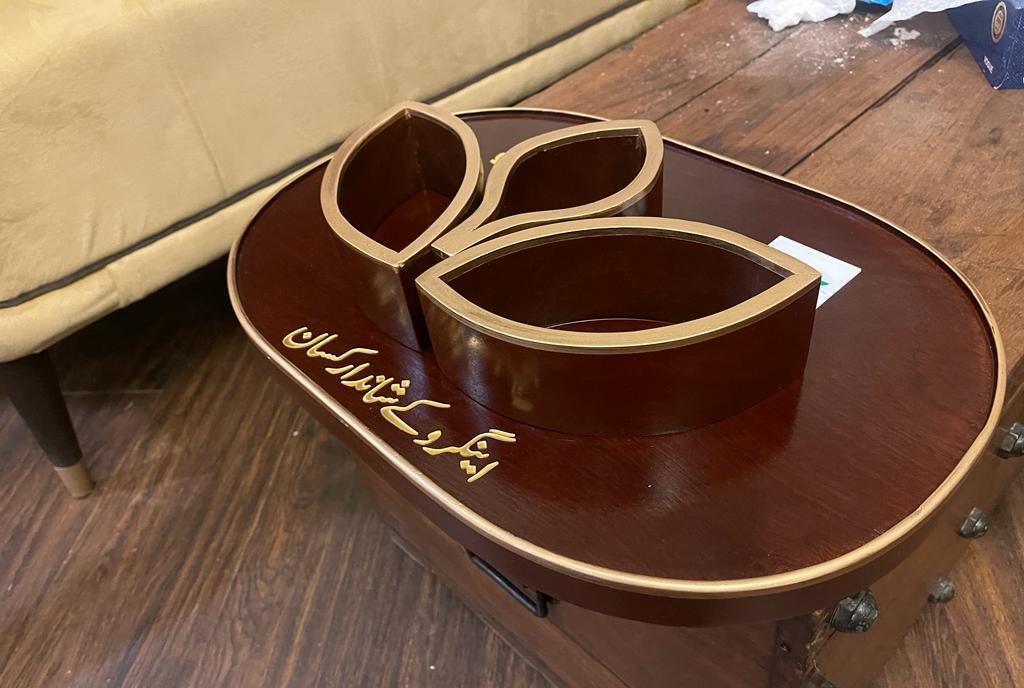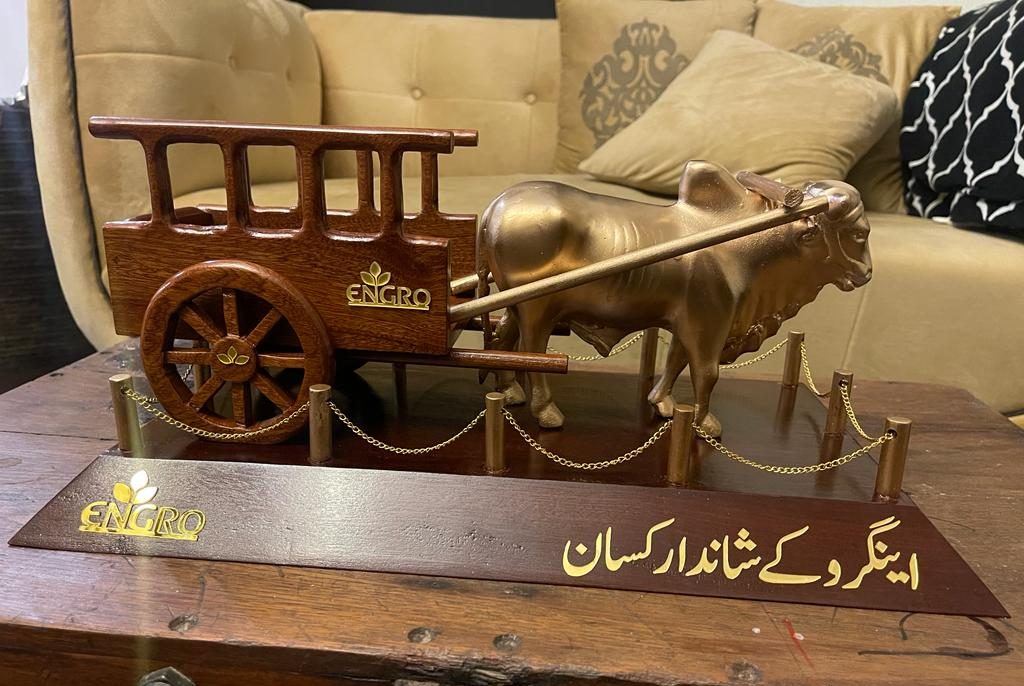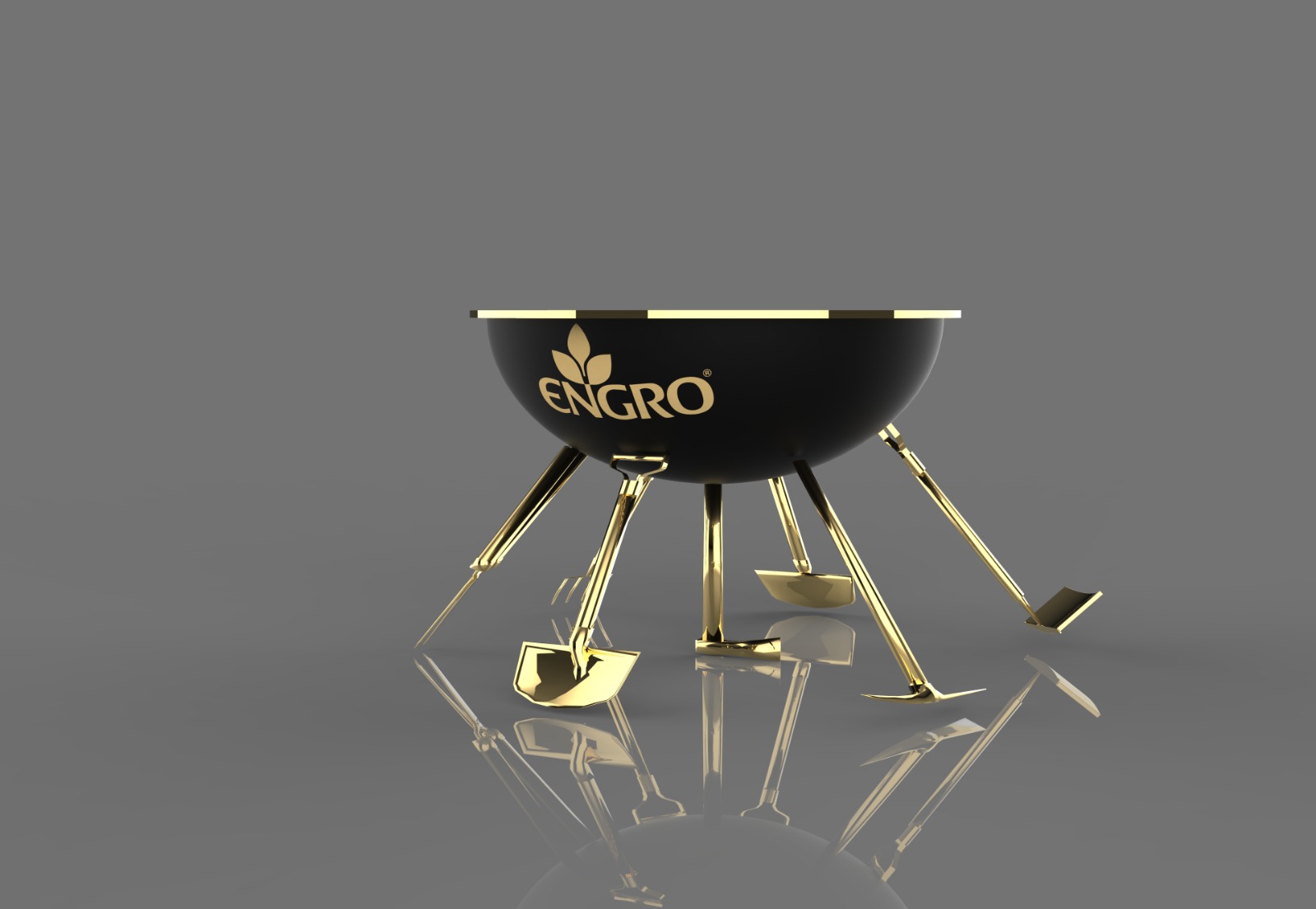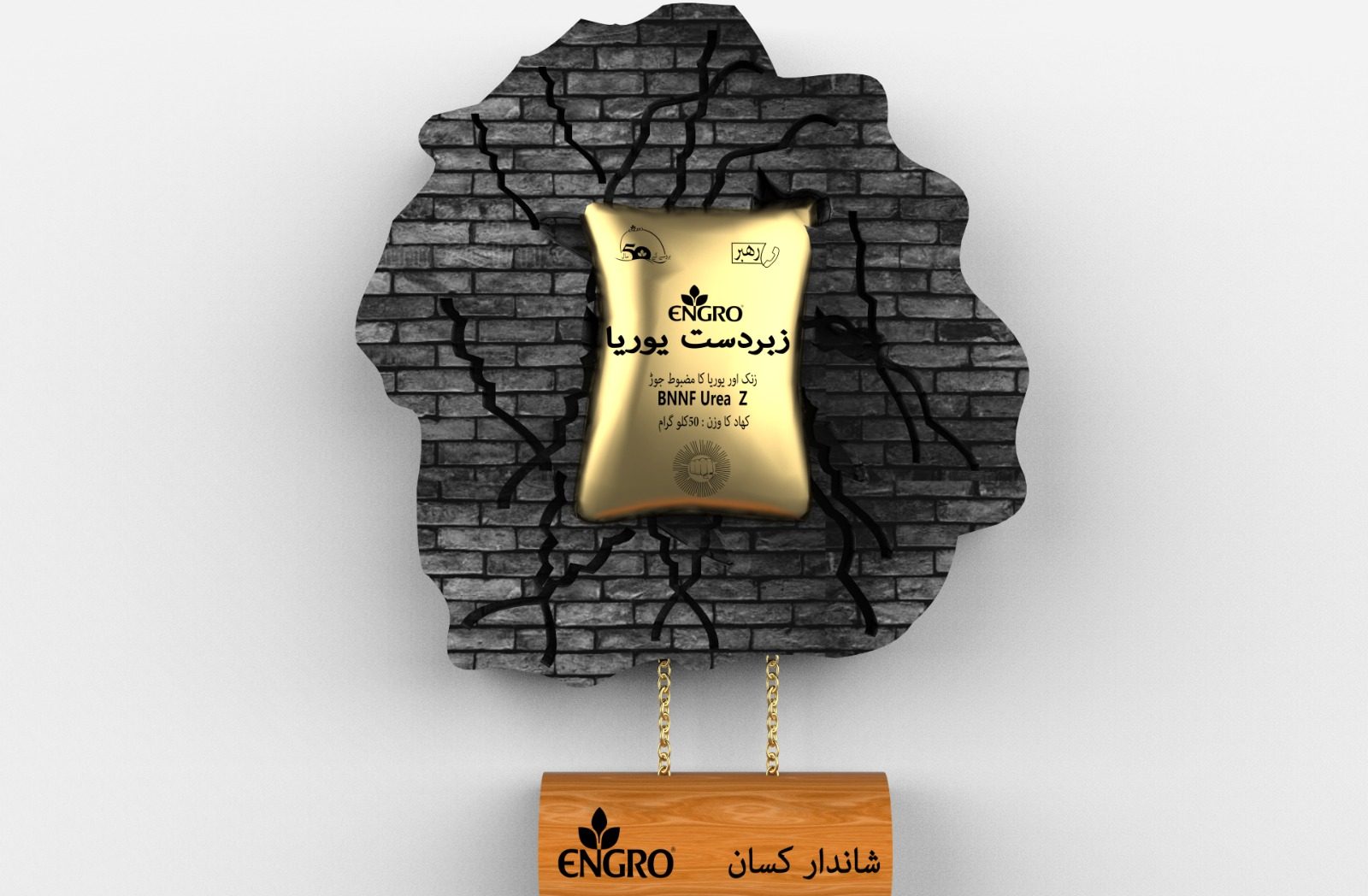
Souvenirs
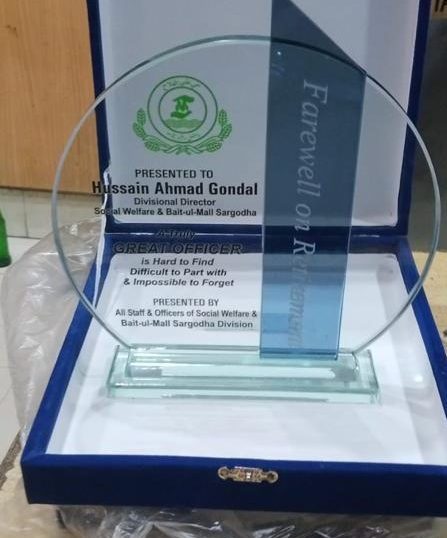
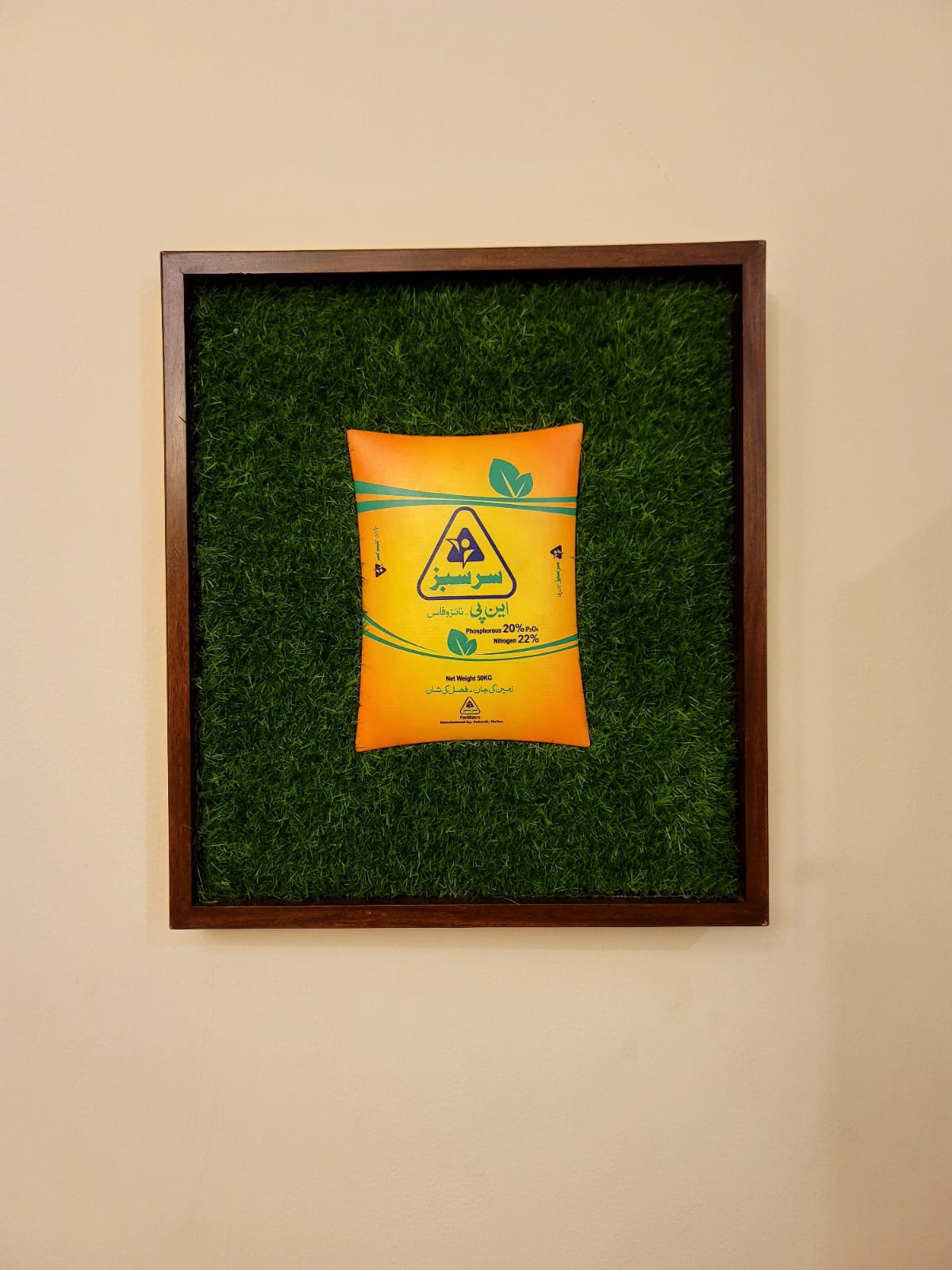
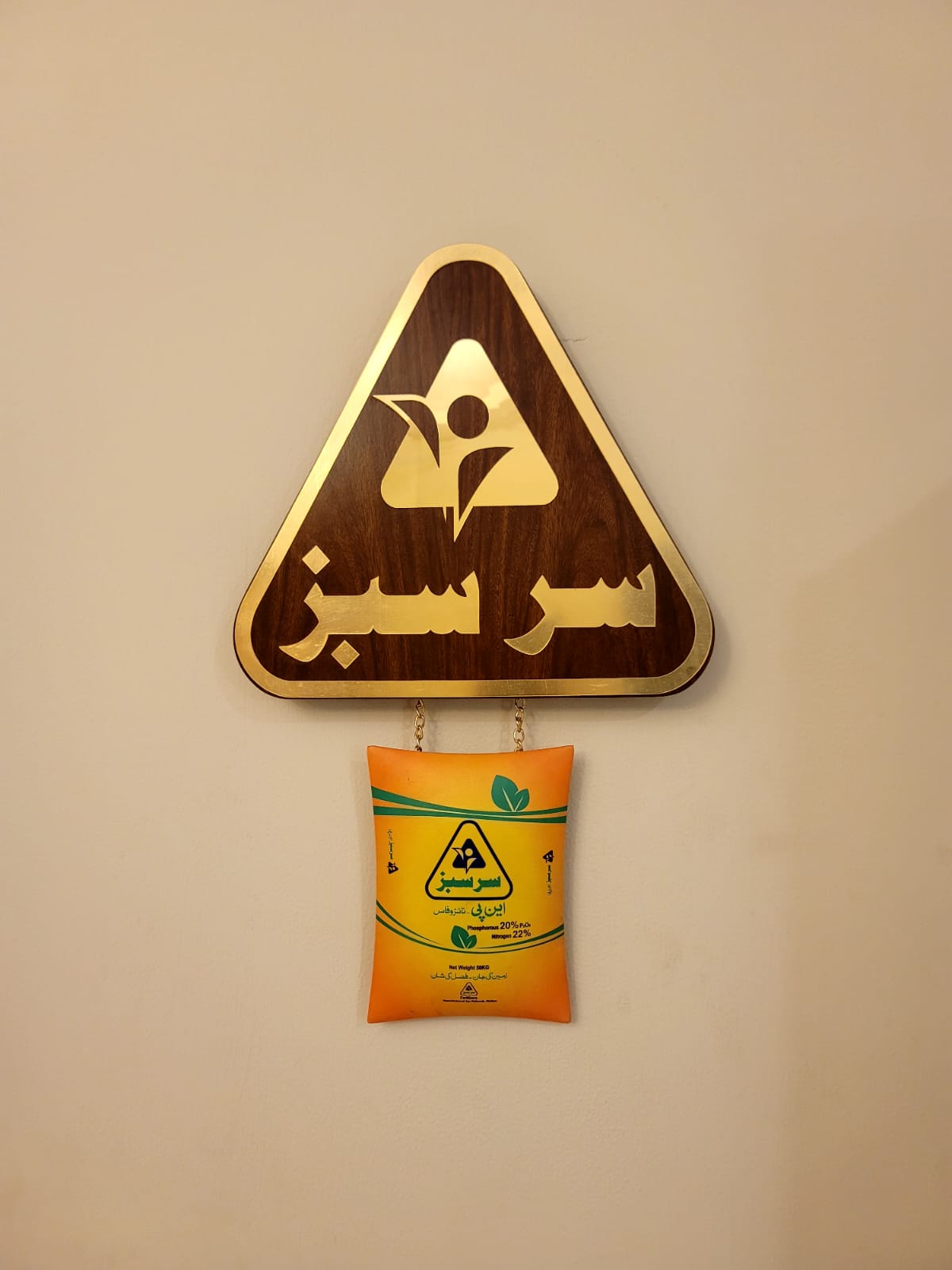
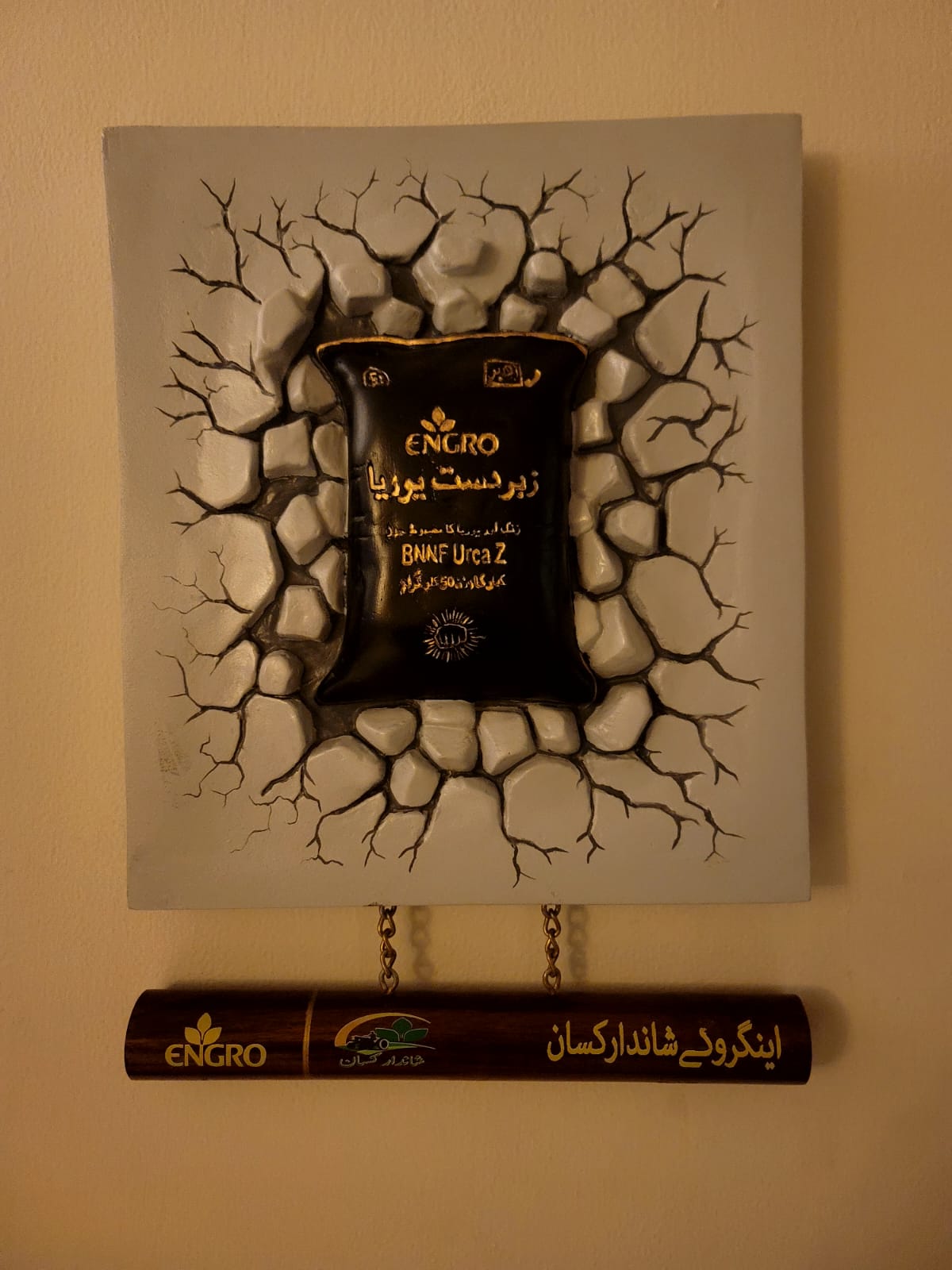
Souvenirs are more than just keepsakes; they are tangible connections to memories, cultures, and experiences. Whether you're a frequent traveler or someone who cherishes meaningful gifts, souvenirs allow you to hold onto a piece of a journey, keeping the essence of a place alive in your heart.
Why We Collect Souvenirs
Nostalgia
A souvenir can transport you back to a specific moment, allowing you to relive the joy and wonder of your travels.
Cultural Connection
Many souvenirs reflect the art, craft, or history of the region they come from, offering a deeper understanding of the local culture.
Gift-Giving
Souvenirs are often shared with loved ones as thoughtful gifts that carry a story and meaning from the place they were purchased.
Personal Achievements
Some people view souvenirs as tokens of accomplishment, reminding them of the places they’ve been and the adventures they’ve undertaken.
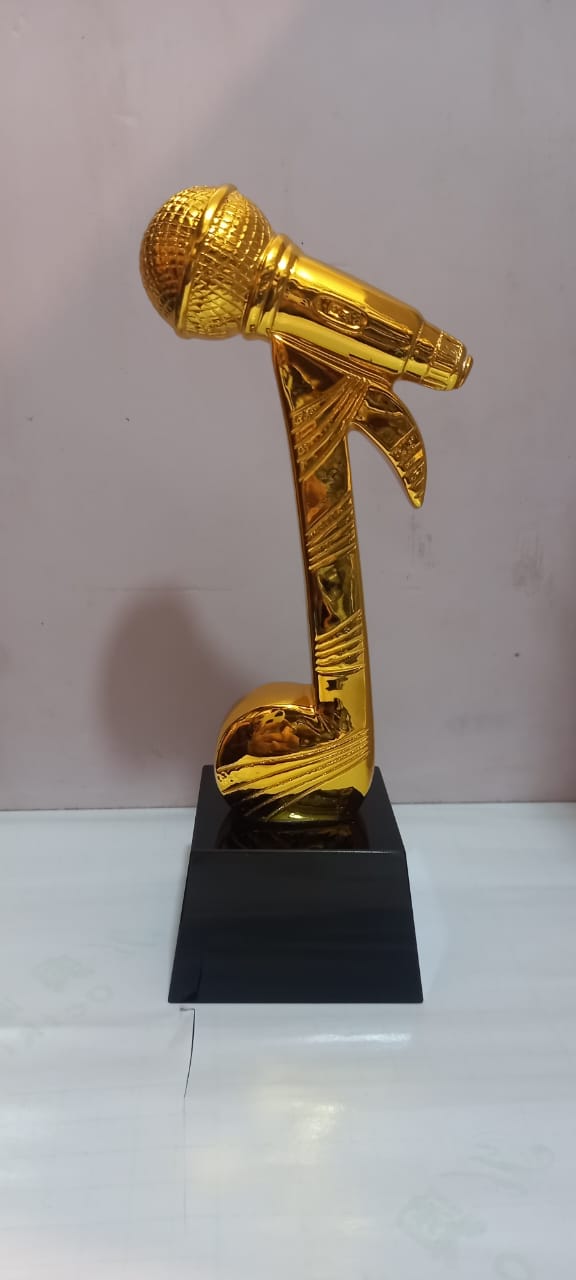
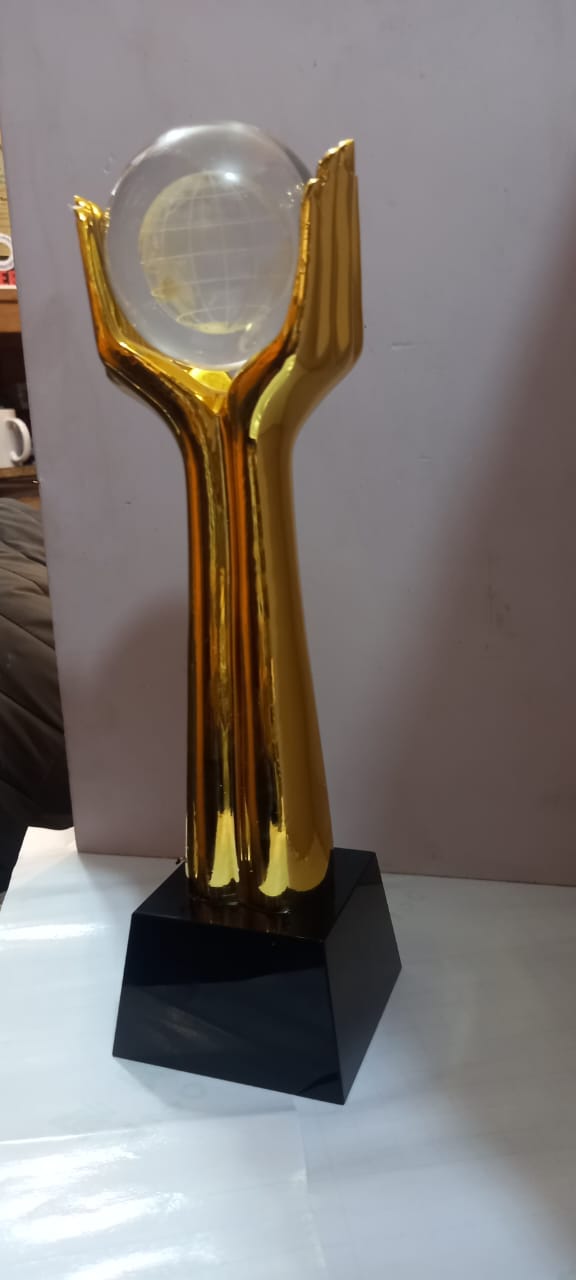
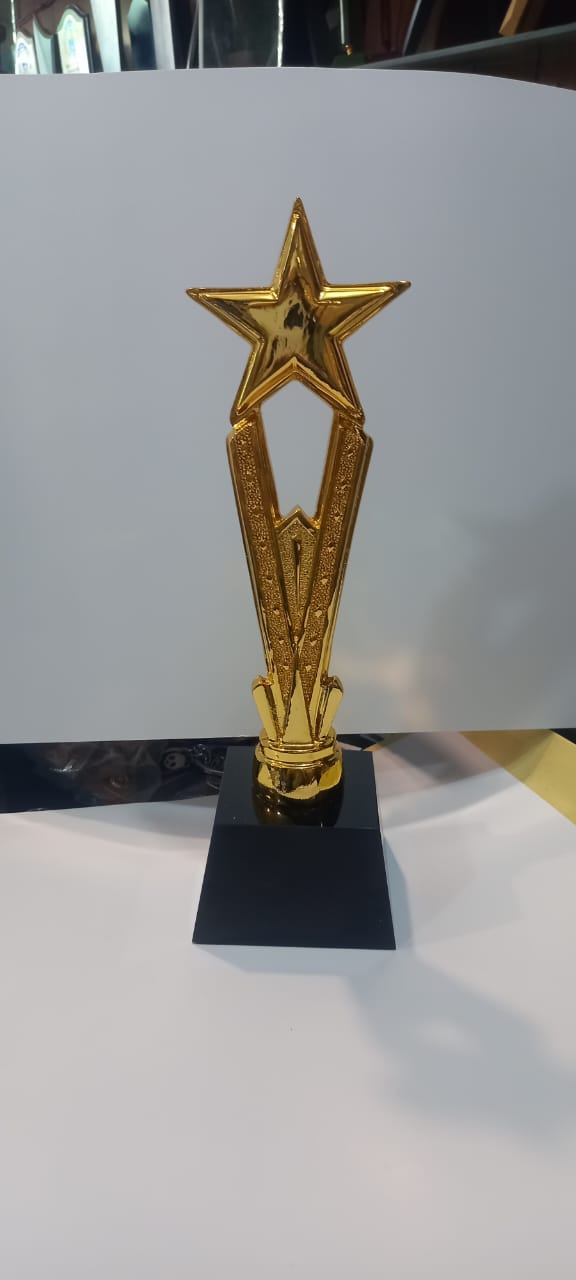
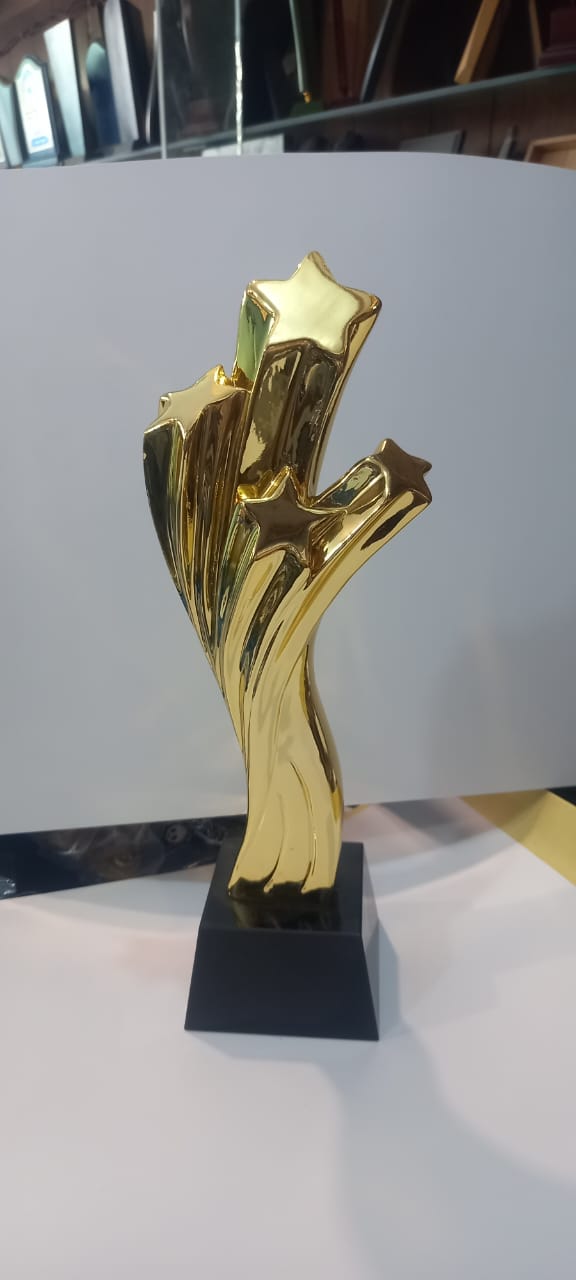
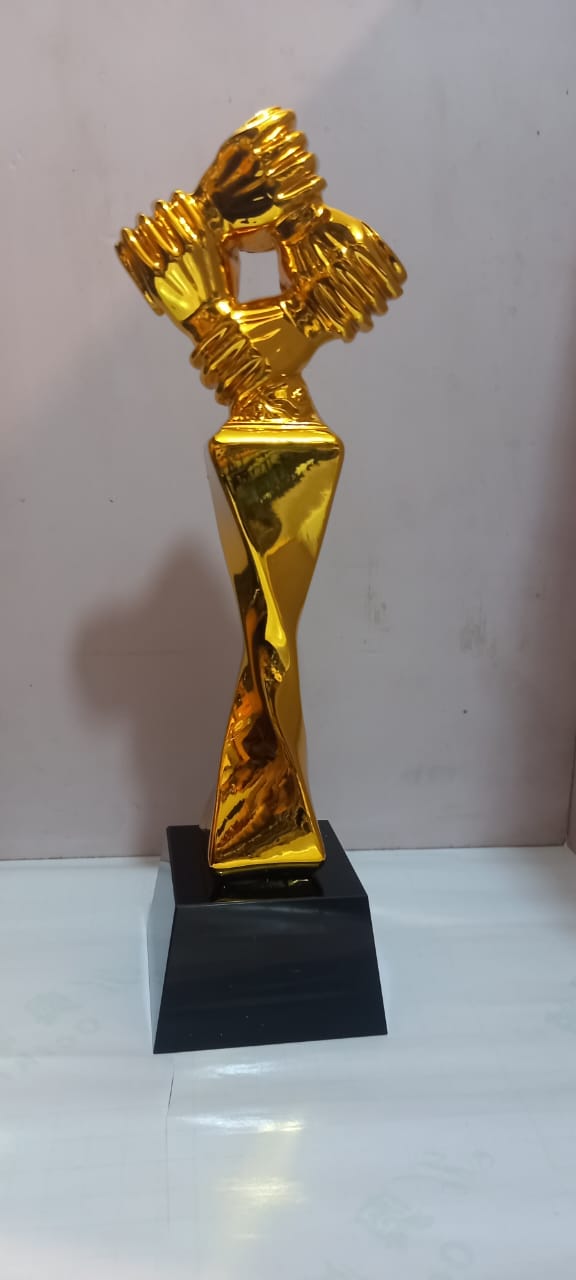
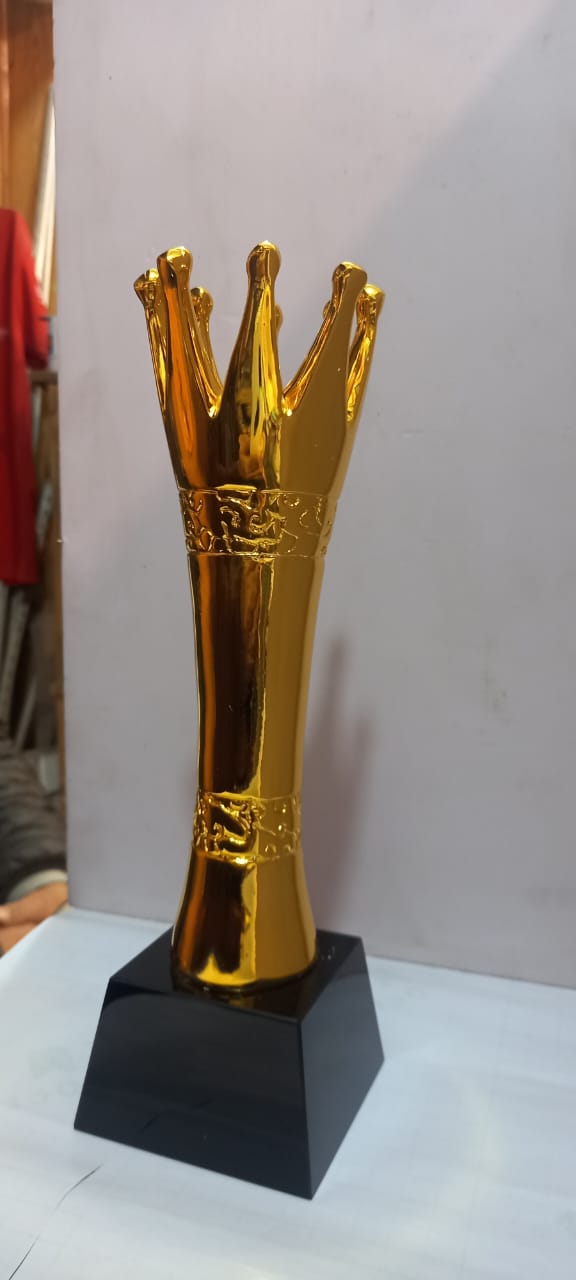
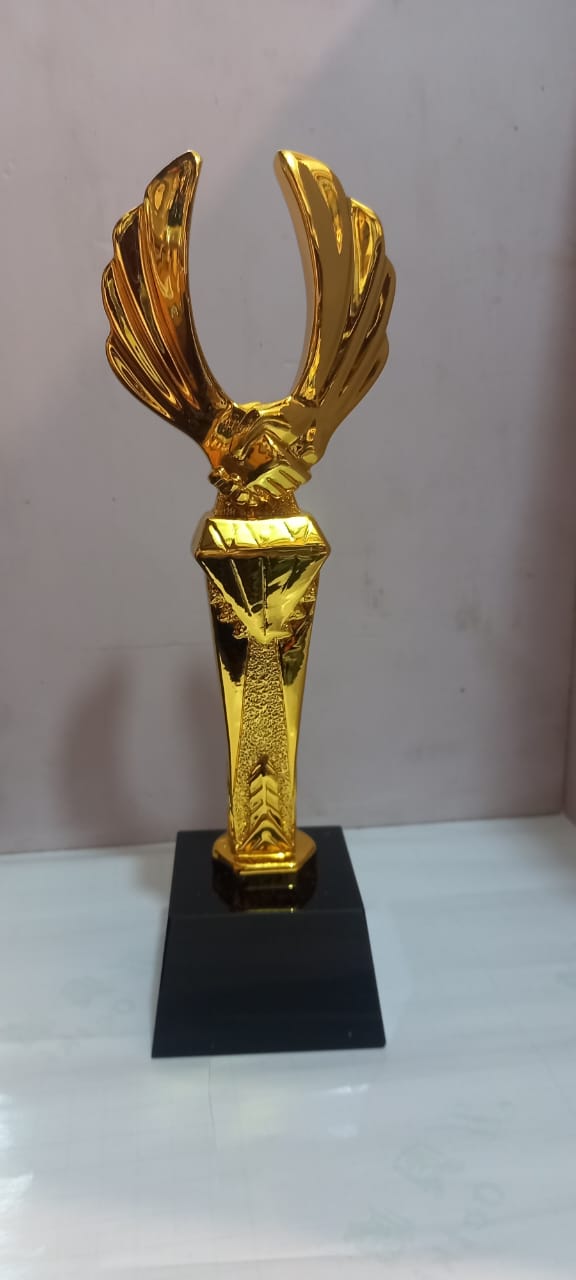

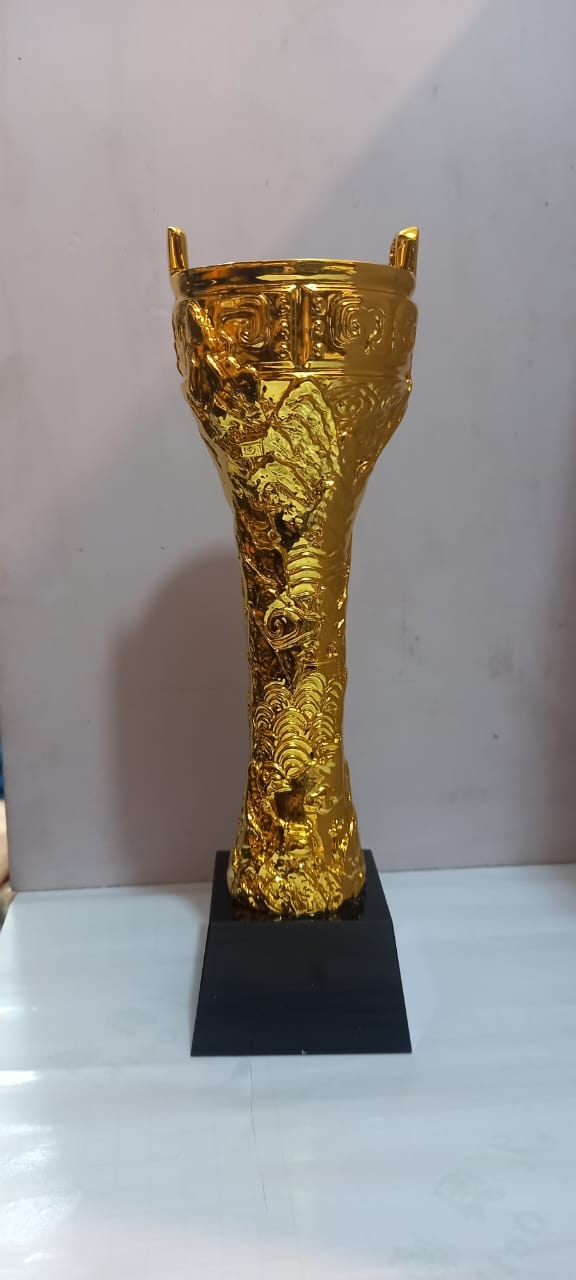
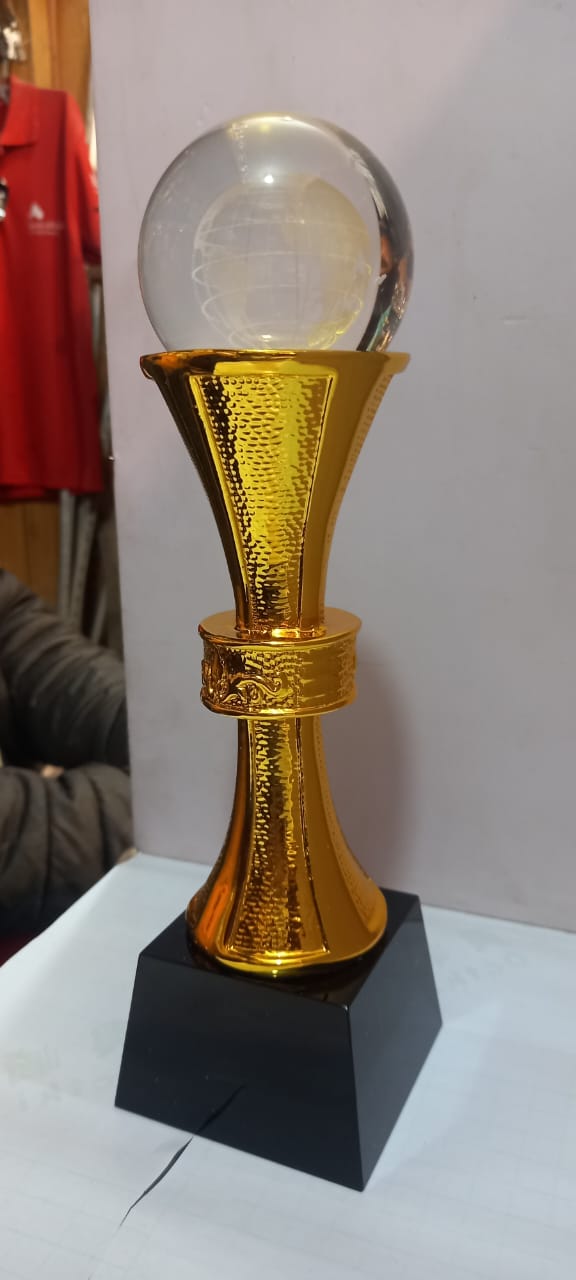
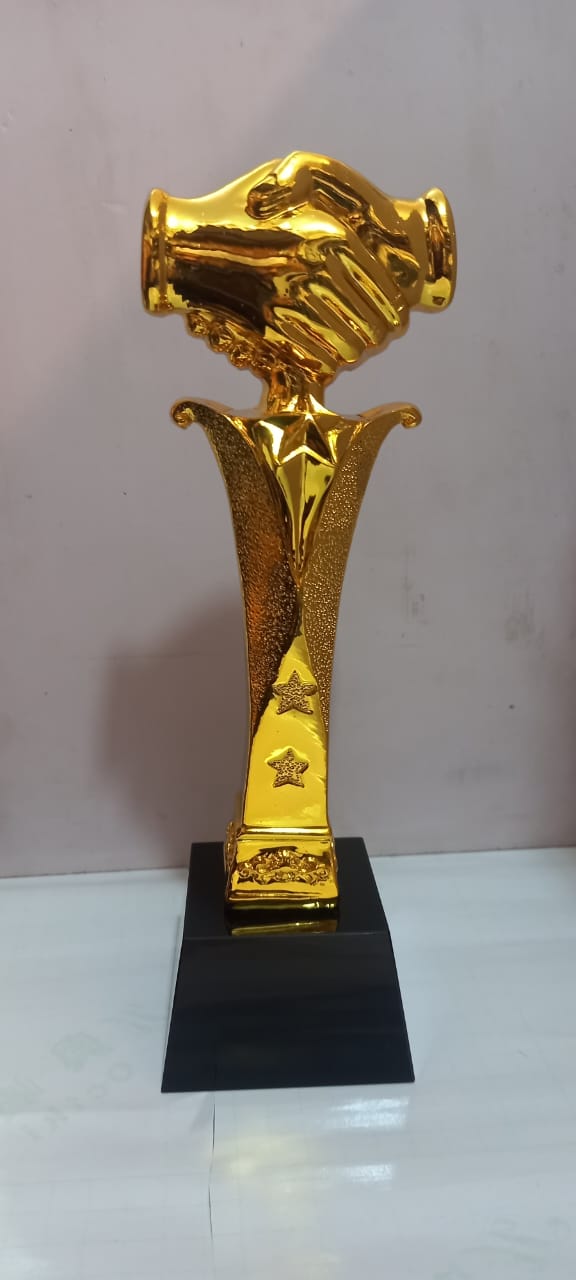
Types of Souvenirs
Souvenirs come in many forms, ranging from handmade crafts to mass-produced trinkets. Here’s a look at some of the most common and beloved types of souvenirs:
1. Traditional Crafts and Art
Handcrafted items like pottery, textiles, paintings, and jewelry are often treasured as souvenirs because they reflect the unique craftsmanship of a region. For example:
- Turkish Rugs: Handmade rugs from Turkey are renowned for their intricate patterns and high-quality craftsmanship.
- Mexican Talavera Pottery: These colorful ceramics are a symbol of Mexico’s rich artistic heritage.
- Maasai Beaded Jewelry: Crafted by the Maasai people of East Africa, these vibrant accessories showcase the tribe’s traditional artistry.
2. Local Food and Drink
Some of the best souvenirs come in edible form! Specialty foods and beverages from around the world are popular items to bring home, whether it’s:
- Swiss Chocolate: Switzerland is famous for its high-quality chocolate, making it a sweet memento.
- Spices from India: Unique and aromatic spices from India, like saffron and cardamom, offer a taste of the region long after your trip.
3. Postcards and Magnets
Postcards and fridge magnets are classic souvenirs because they are affordable, easy to carry, and offer a snapshot of the destination. A postcard with a beautiful landscape or a magnet shaped like a famous landmark provides an instant visual reminder of your travels.
4. Clothing and Textiles
Clothing, scarves, and other textiles make for functional souvenirs that you can wear, incorporating a piece of your travels into your everyday life. Examples include:
- Scottish Tartan Scarves: Iconic and steeped in history, tartan scarves from Scotland are a symbol of the country’s rich cultural heritage.
- Japanese Kimonos: Traditional kimonos are elegant and intricately designed, serving as a beautiful keepsake from Japan.
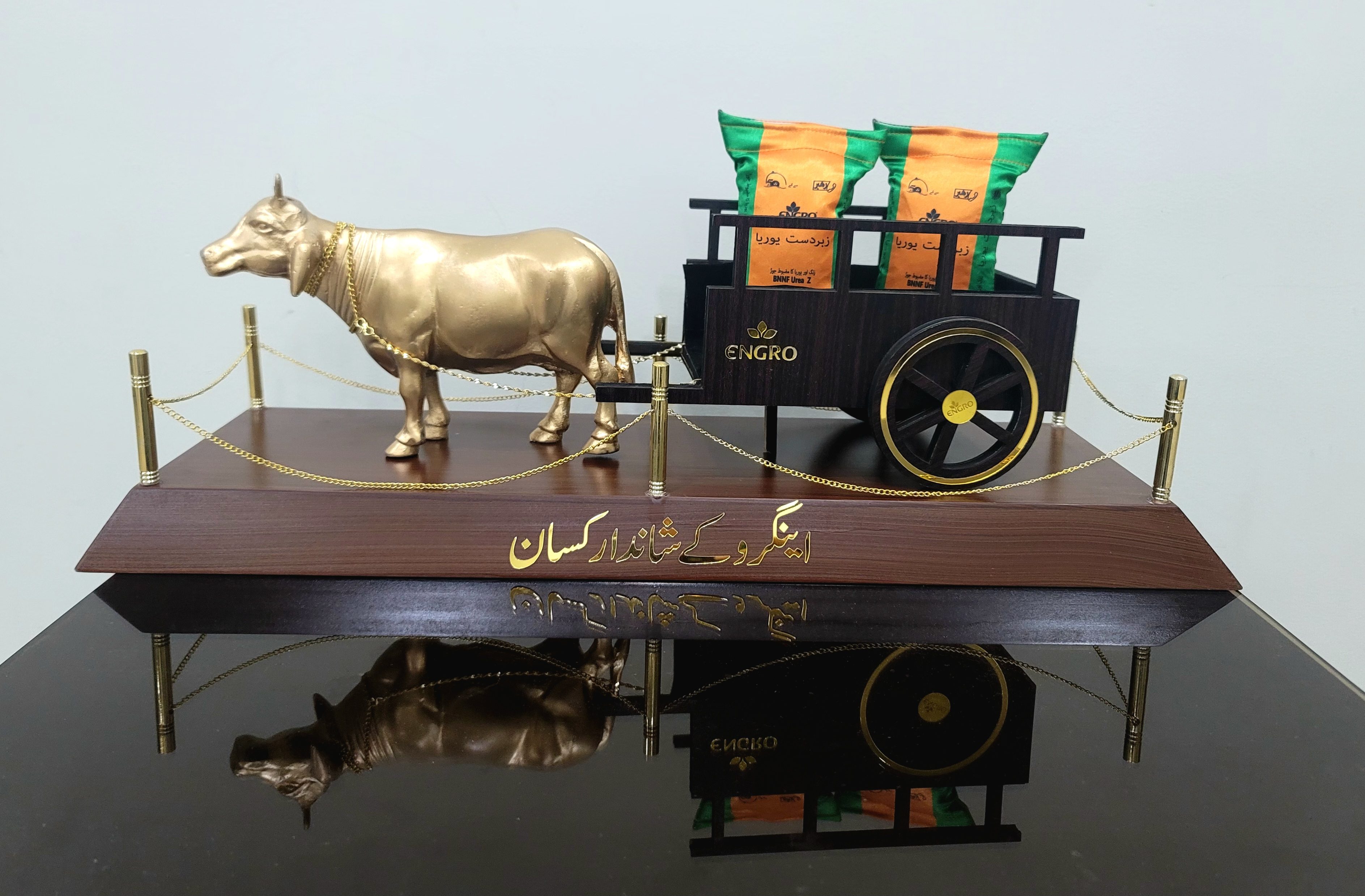
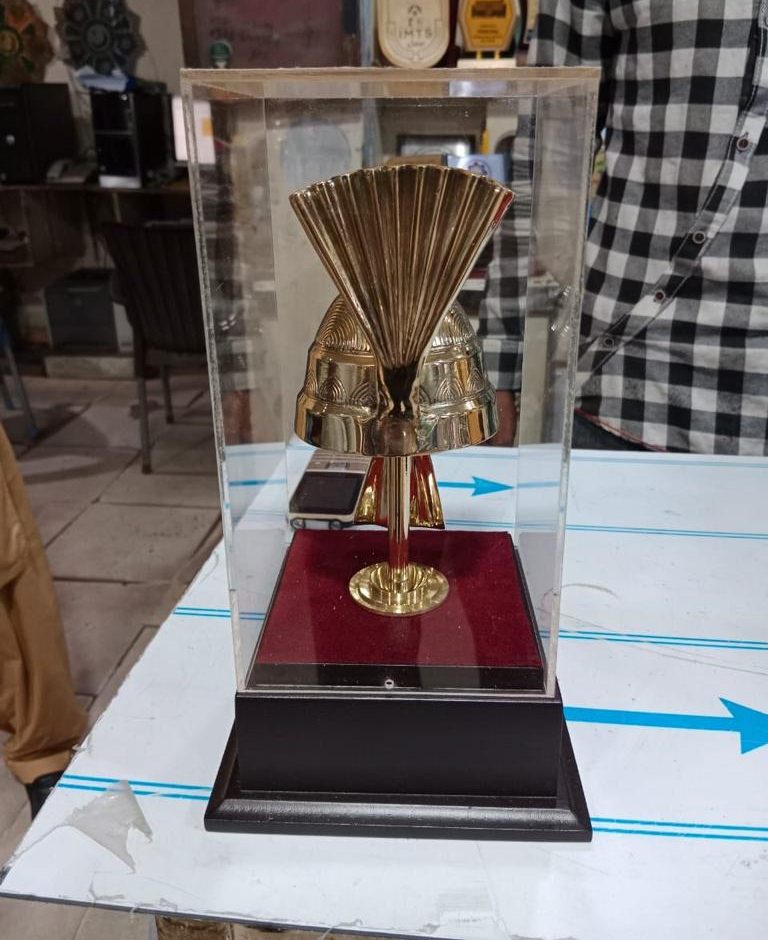
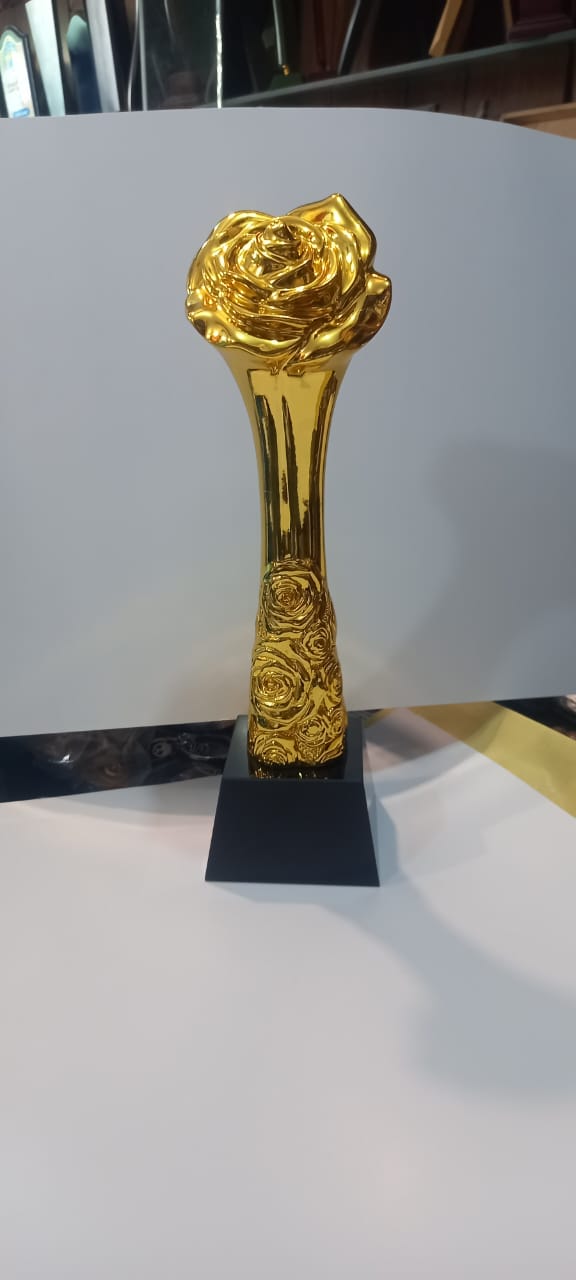
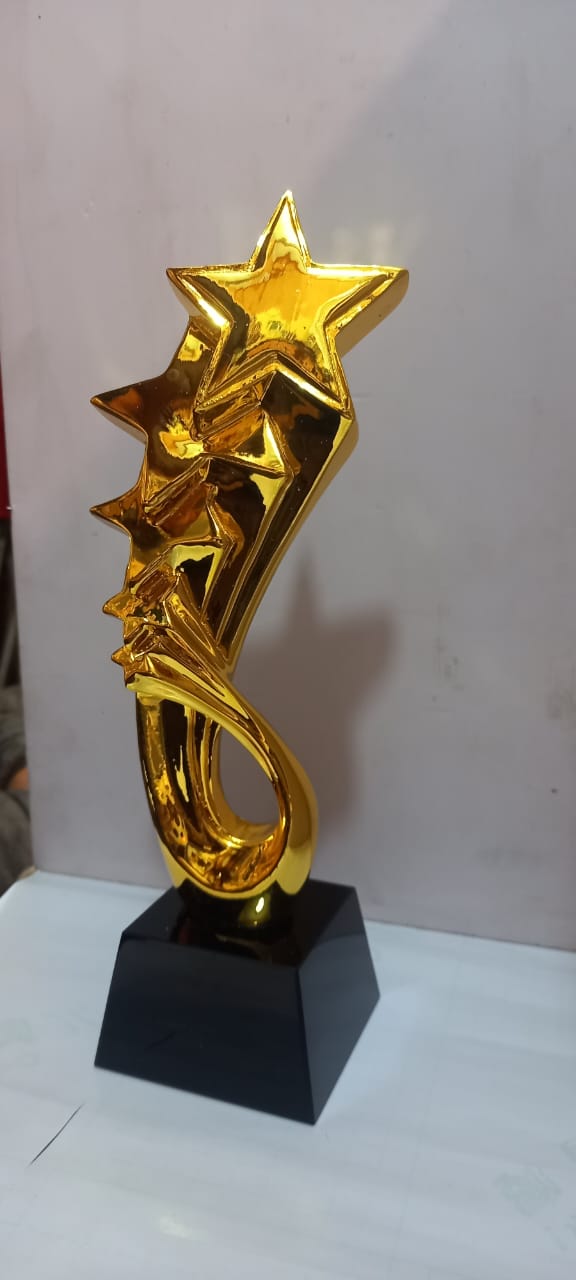
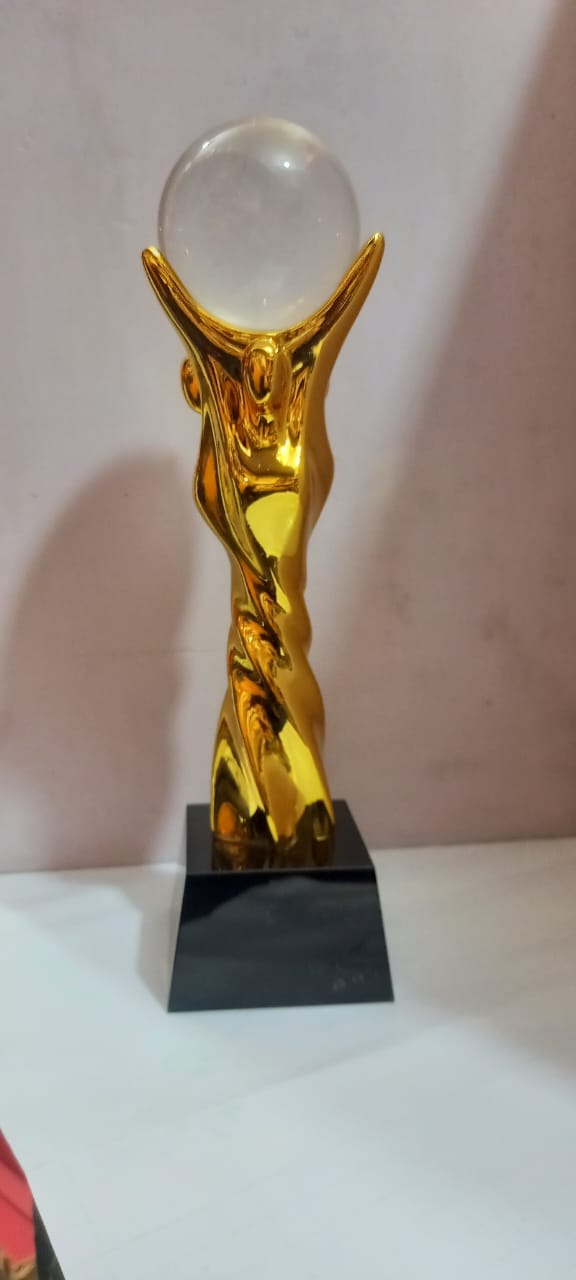
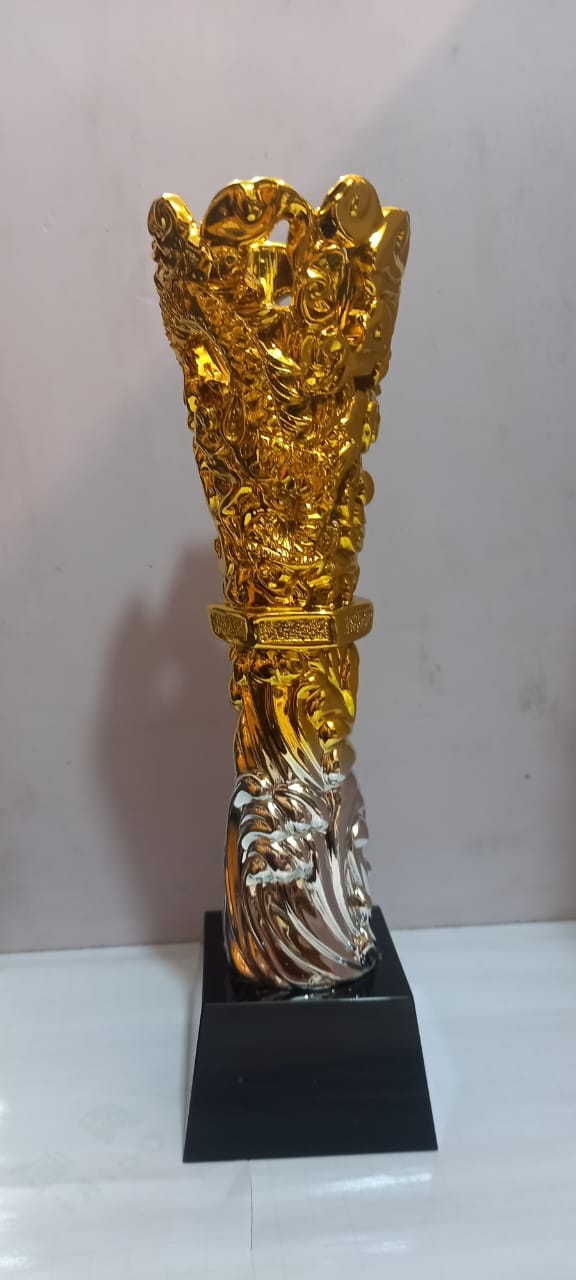
5. Figurines and Statues
Miniature versions of famous landmarks, statues, or religious icons are popular souvenirs. For instance:
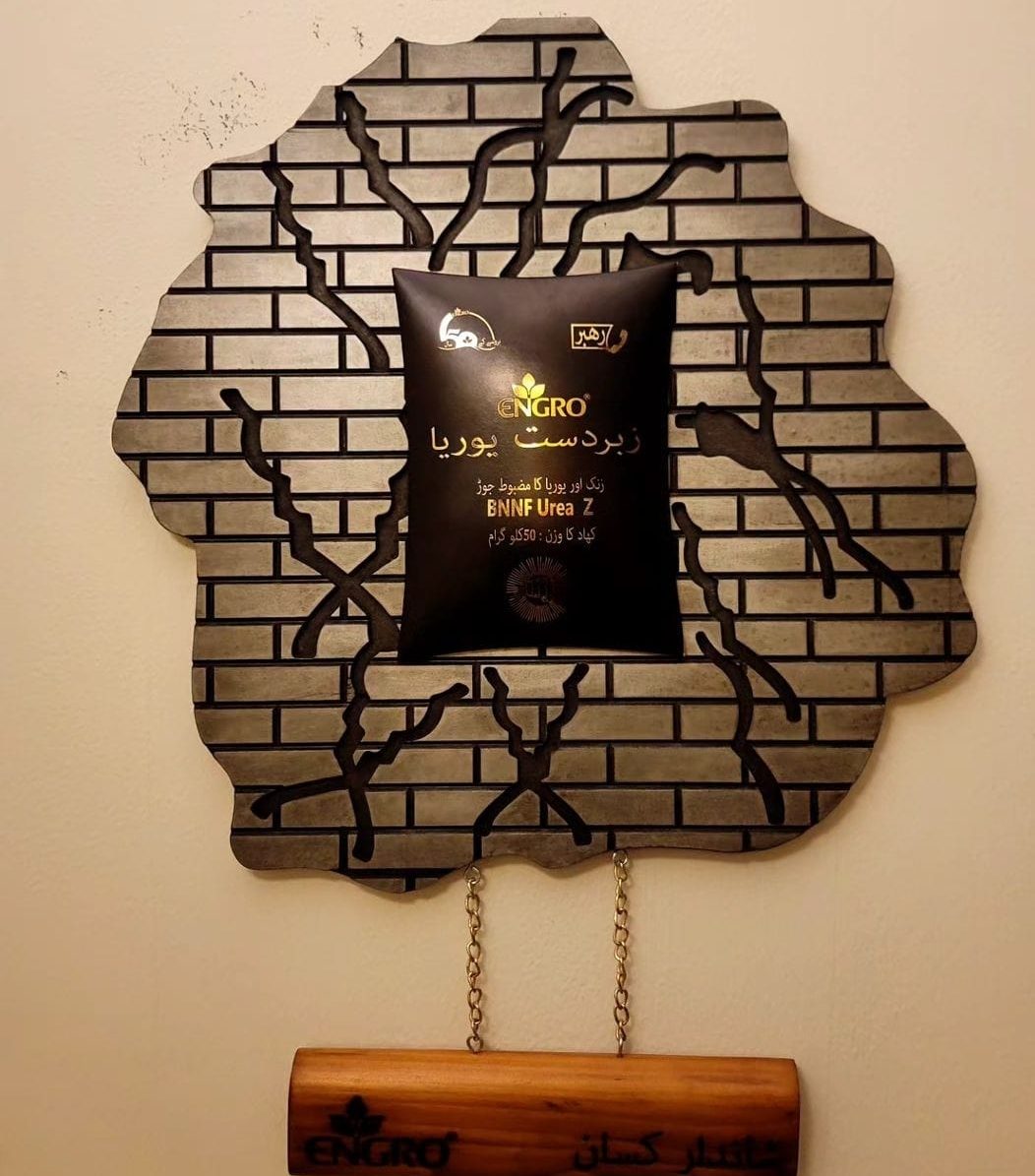
6. Unique Regional Items
Every region has something that makes it unique, and these items often make the best souvenirs. For example:
Sustainable Souvenir Shopping
In recent years, travelers have become more aware of the environmental and social impact of their purchases. Sustainable souvenirs are those that are ethically sourced, made from eco-friendly materials, and contribute to the local economy.
Souvenirs and Memory
The role of souvenirs extends beyond just being physical objects; they play a crucial role in memory formation and retrieval. Psychologists suggest that souvenirs help us reconnect with the emotions and experiences of our travels, making the memories more vivid and accessible over time.
Memory Anchors
Souvenirs act as “memory anchors” that tie specific moments or places to tangible items. For instance, a seashell collected from a beach might remind you of the sound of the waves, the warmth of the sun, or the feeling of peace you experienced during a vacation.
Storytelling Through Souvenirs
Souvenirs also help tell stories. When displayed in your home or office, they can spark conversations with guests and serve as a way to share your experiences with others. Each item has its own narrative, offering insights into your travels and the places you’ve explored.