
Commercial Furniture
In today’s competitive business landscape, every element of a workspace or commercial establishment contributes to its success. Whether it's a corporate office, a hotel lobby, a restaurant, or a retail store, the furniture you choose plays a pivotal role in defining the ambiance, functionality, and overall experience of your establishment. Commercial furniture is designed to meet the unique demands of businesses, balancing aesthetics, durability, and comfort.
What is Commercial Furniture?
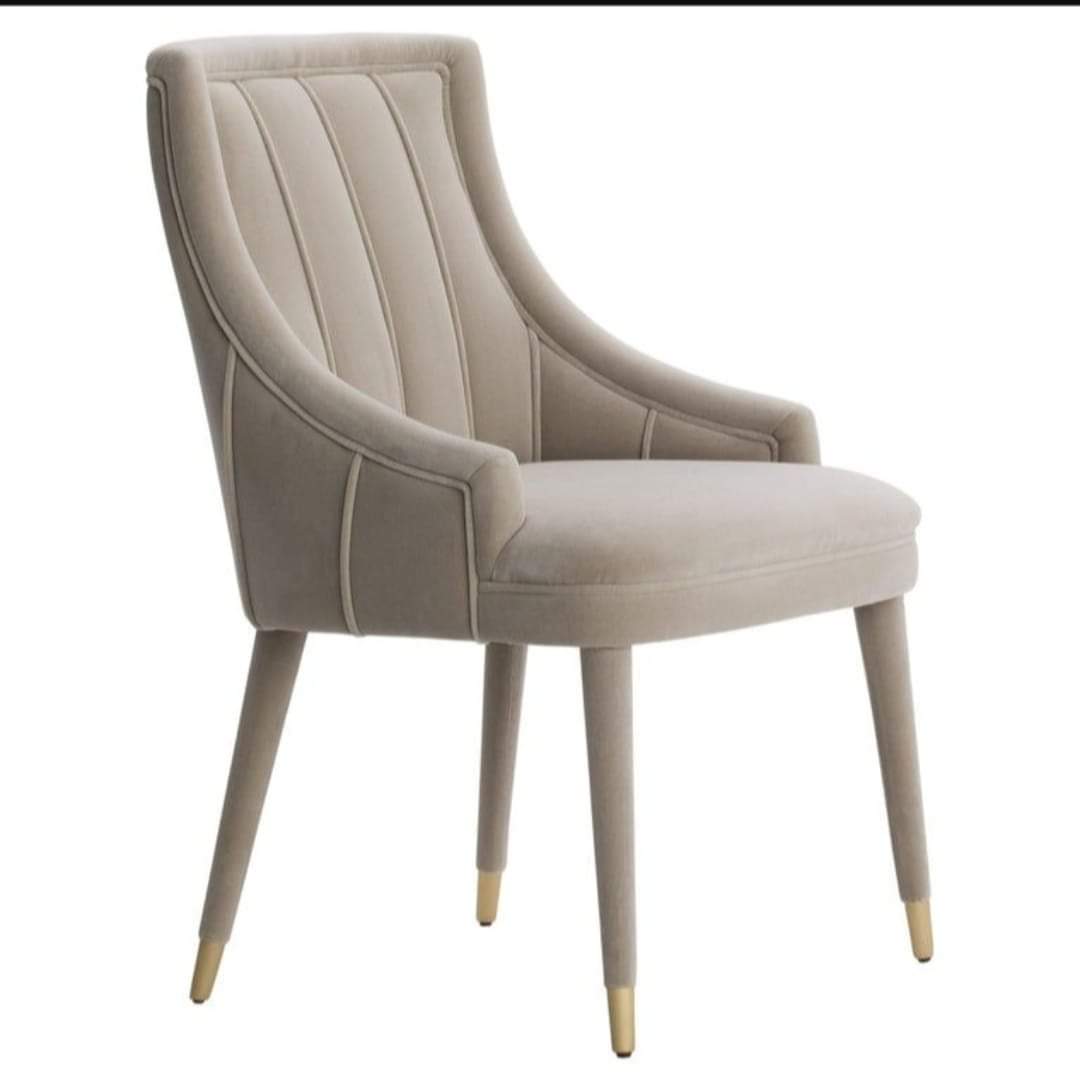
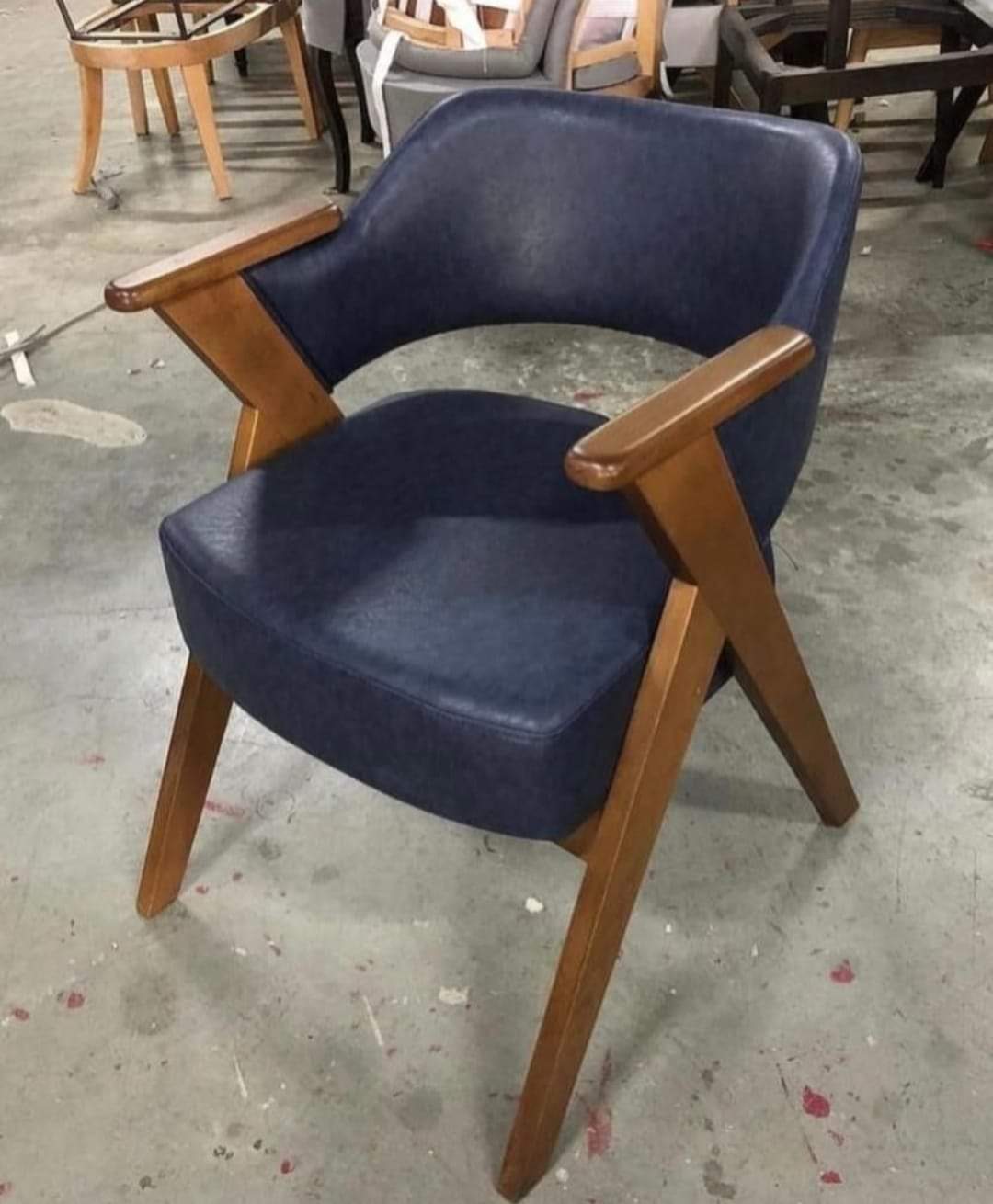
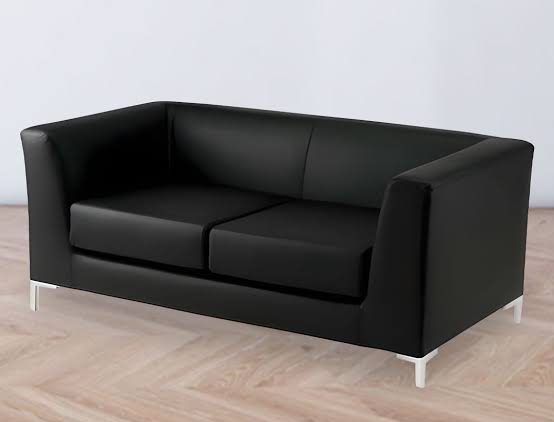
Commercial furniture refers to the furnishings specifically designed for use in businesses and other commercial settings. Unlike residential furniture, which prioritizes personal style and comfort, commercial furniture is built to withstand heavy use, meeting rigorous industry standards for durability, fire safety, and ergonomic design.






Why is Commercial Furniture Important?
Durability and Longevity:
Commercial furniture is built to last. Businesses rely on furniture that can endure continuous use by employees, customers, or visitors. Unlike home furniture, which may only experience occasional use, commercial furniture is designed to resist daily wear and tear. The materials used are stronger and often more resilient, ensuring your investment lasts for years.
Design and Branding
The design of commercial furniture directly impacts the ambiance of a space, contributing to the brand identity of a business. A thoughtfully designed restaurant or hotel lobby can attract customers, while a well-furnished office can boost employee morale and productivity. The colors, materials, and styles chosen should align with the brand’s values and image.
Compliance with Regulations
Commercial furniture is often subject to stricter regulations and standards than residential furniture. This includes fire safety standards, accessibility compliance, and ergonomic requirements. Ensuring your furniture meets these standards is crucial for the safety and well-being of both employees and customers.
Maximizing Space
In commercial settings, space optimization is key. Whether it's a small office or a large retail store, the right furniture can help you make the most of your available space. Modular and multi-functional furniture, for example, can adapt to different needs, ensuring flexibility and efficiency in how space is used.
Key Types of Commercial Furniture
Depending on the nature of the business, commercial furniture can vary widely. Below are some of the most common types across different industries:
1. Office Furniture
Office furniture includes desks, chairs, workstations, conference tables, and storage solutions, all designed to create an efficient and comfortable work environment. Ergonomics is a key consideration, as poor furniture can lead to discomfort and decreased productivity. Adjustable office chairs, sit-stand desks, and well-organized workstations contribute to a healthier, more productive workplace.
2. Hospitality Furniture
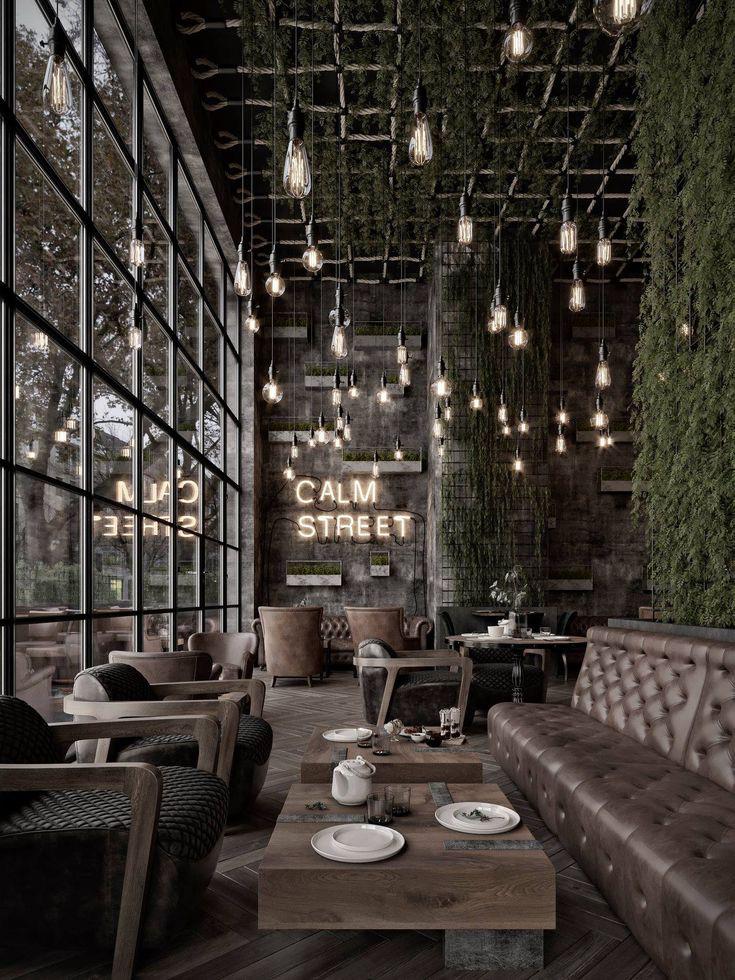
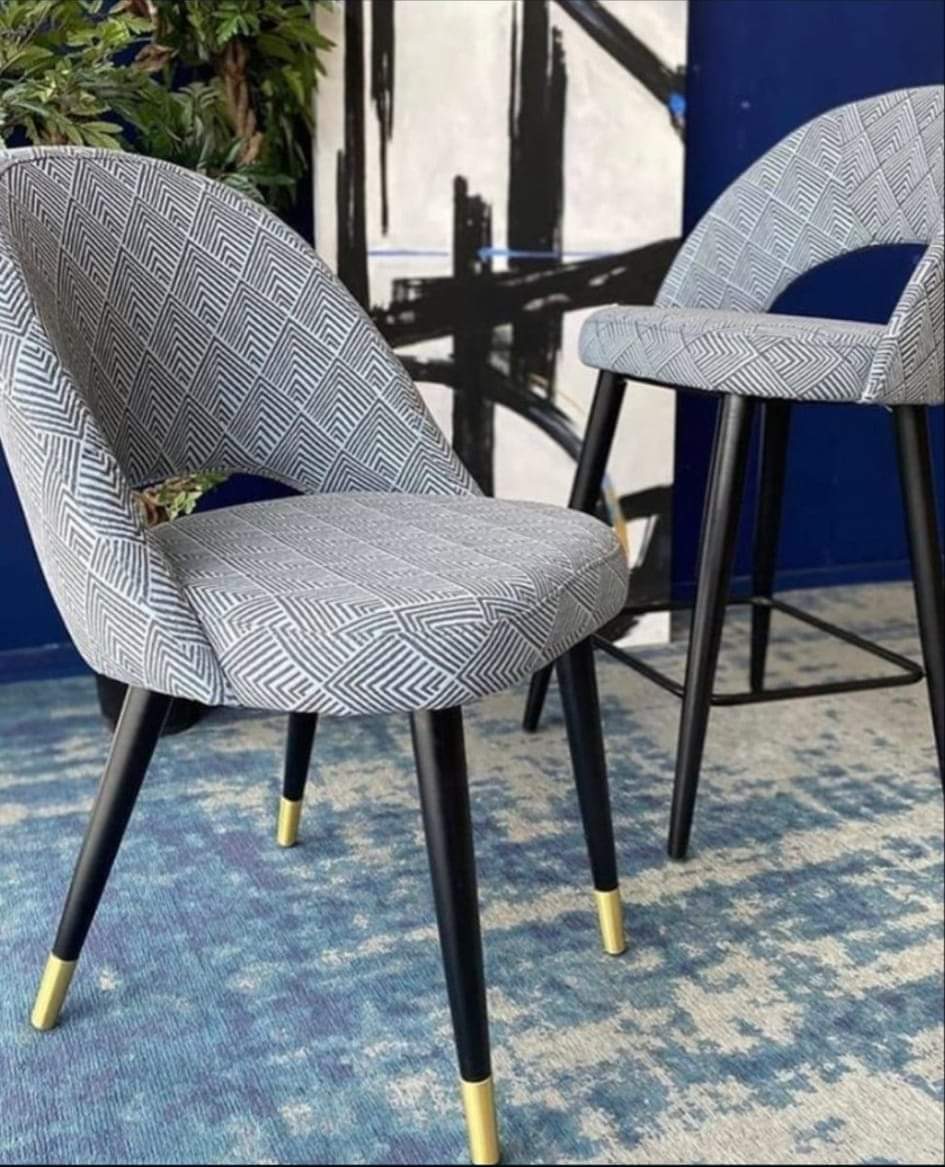
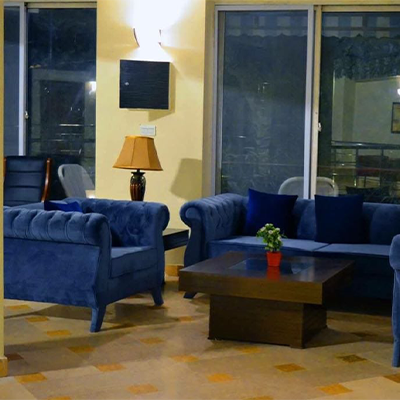
In hotels, restaurants, and cafes, the focus is on creating a welcoming and comfortable environment for guests. Hospitality furniture includes restaurant tables, bar stools, hotel room furnishings, and lounge seating. Durability and easy maintenance are essential, as furniture in these settings often faces heavy use and must be easy to clean.
3. Healthcare Furniture
Healthcare facilities require furniture that is easy to clean, durable, and comfortable for both patients and healthcare providers. Healthcare furniture includes waiting room chairs, hospital beds, and specialized ergonomic seating for medical staff. Safety and hygiene are top priorities in this sector, with furniture often designed to be antimicrobial and compliant with health standards.
4. Retail Furniture
In retail settings, furniture must not only be functional but also contribute to the customer’s shopping experience. Display shelving, counters, and fitting room seating all need to be designed to showcase products effectively while ensuring a comfortable and enjoyable shopping environment.
5. Educational Furniture
Educational institutions require furniture that is functional, durable, and suitable for a variety of learning environments. This includes desks, chairs, storage solutions, and furniture for libraries and common areas. Modern educational furniture often emphasizes flexibility, with pieces that can be easily reconfigured to support different learning activities.
Materials Used in Commercial Furniture
The materials used in commercial furniture vary based on the type of business, the intended use, and budget. Common materials include:
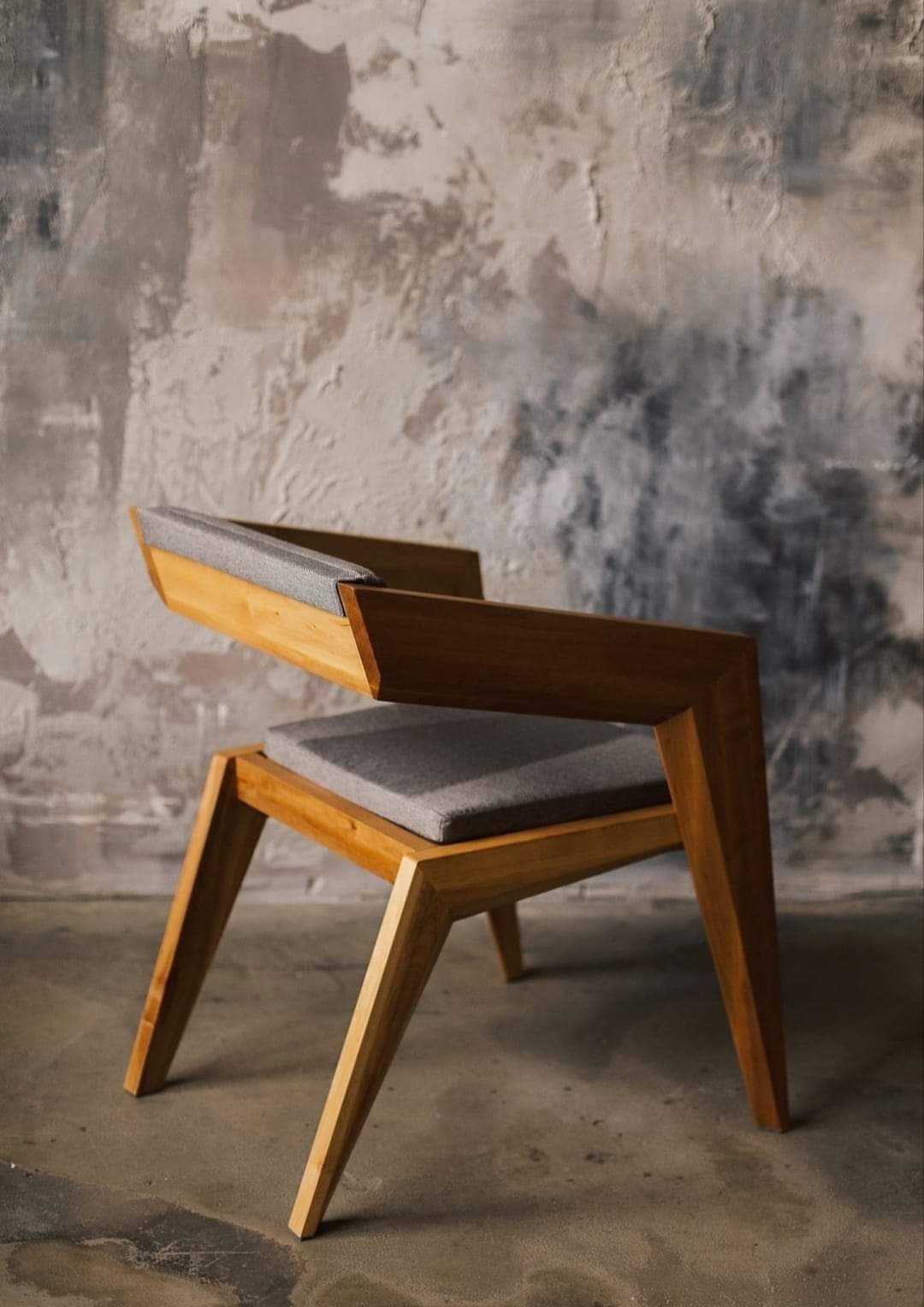
Wood: Wood is a classic choice for its natural beauty and durability. In commercial settings, hardwoods like oak, maple, and walnut are commonly used. Engineered wood, such as plywood or MDF, is also popular for its affordability and strength.
Metal: Metal is often used in commercial furniture for its strength and modern aesthetic. Steel and aluminum are popular choices, providing durability without compromising on style. Metal is commonly used for chair frames, table bases, and storage units.
Plastic and Acrylic: Lightweight and versatile, plastic and acrylic furniture are often used in high-traffic areas like cafeterias and outdoor spaces. These materials are easy to clean and maintain, making them ideal for settings where hygiene is a priority.
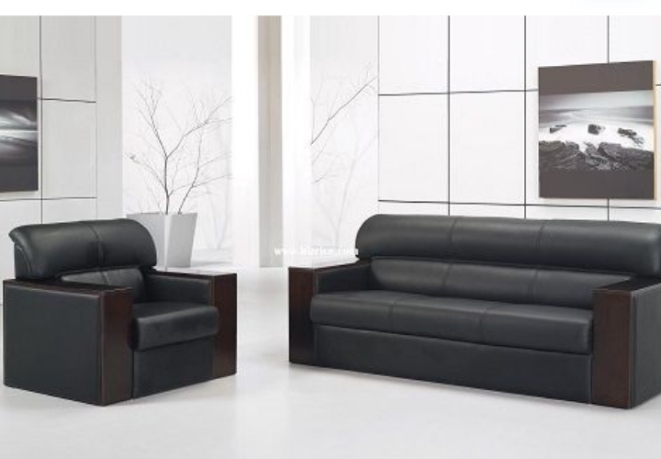
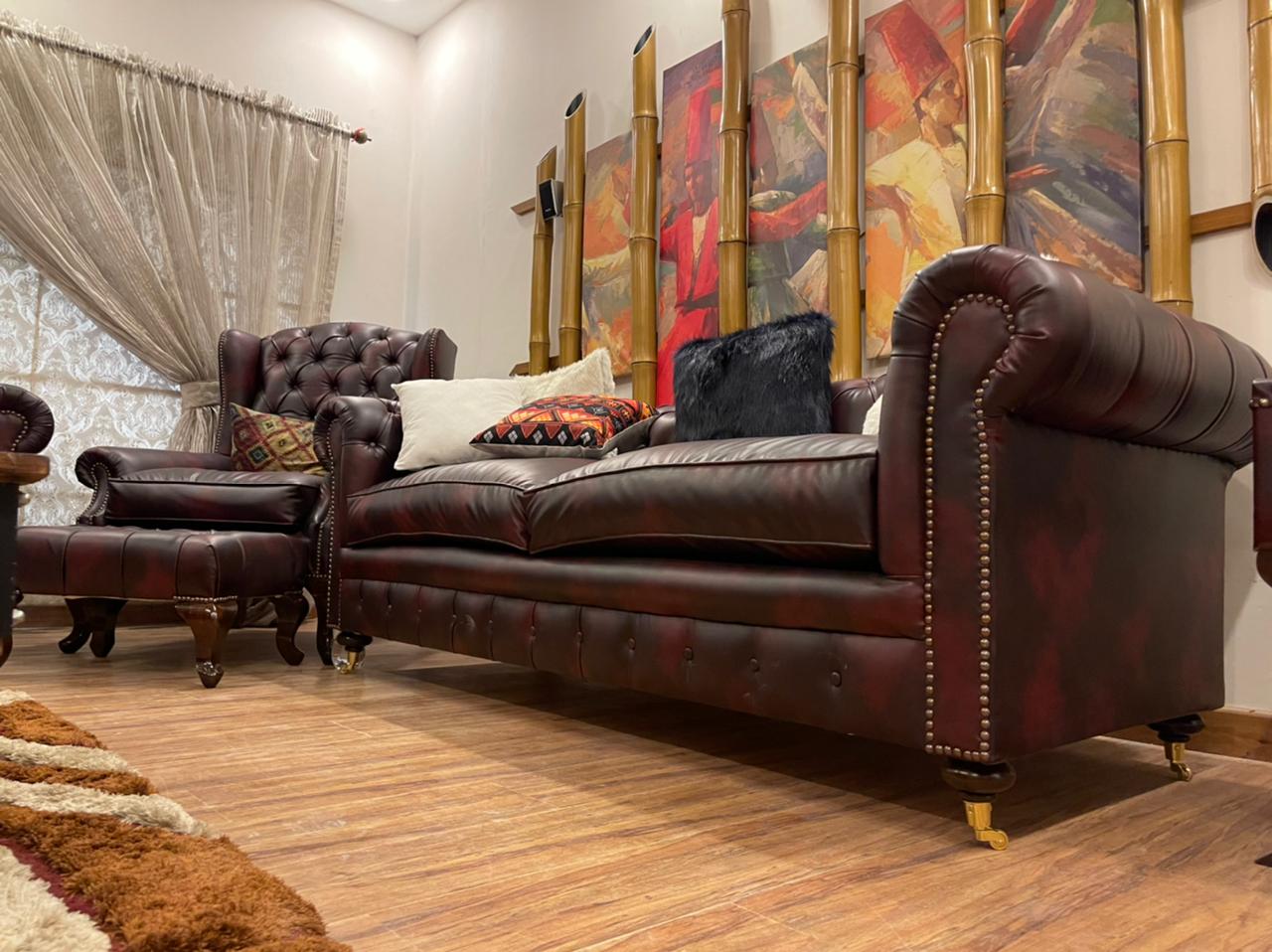
Upholstery and Fabrics: Commercial upholstery is designed to be durable and stain-resistant. Leather, vinyl, and commercial-grade fabrics are commonly used in seating furniture, offering both comfort and ease of maintenance. In healthcare settings, antimicrobial fabrics are often required to meet hygiene standards.
Choosing the Right Commercial Furniture
Selecting the right commercial furniture for your business involves more than just choosing items that look good. Here are some key factors to consider:
Functionality: What is the primary function of the furniture? Office furniture should prioritize ergonomics, while hospitality furniture should focus on guest comfort. In retail, display furniture should enhance product visibility.
Durability: How often will the furniture be used? High-traffic areas require materials that can withstand heavy use without showing signs of wear. Look for warranties and durability ratings when making your selection.
Aesthetic Appeal: The look and feel of the furniture should align with your brand’s image. Sleek, modern designs might be perfect for a tech startup, while a more traditional look may suit a law firm or hotel.
Budget: While it’s important to invest in quality, commercial furniture is available in a wide range of price points. Plan your budget carefully, balancing the need for durability and style with cost-effectiveness.
Regulatory Compliance: Make sure the furniture you select meets all relevant industry regulations, such as fire safety standards, accessibility requirements, and ergonomic guidelines.