
Best Furniture
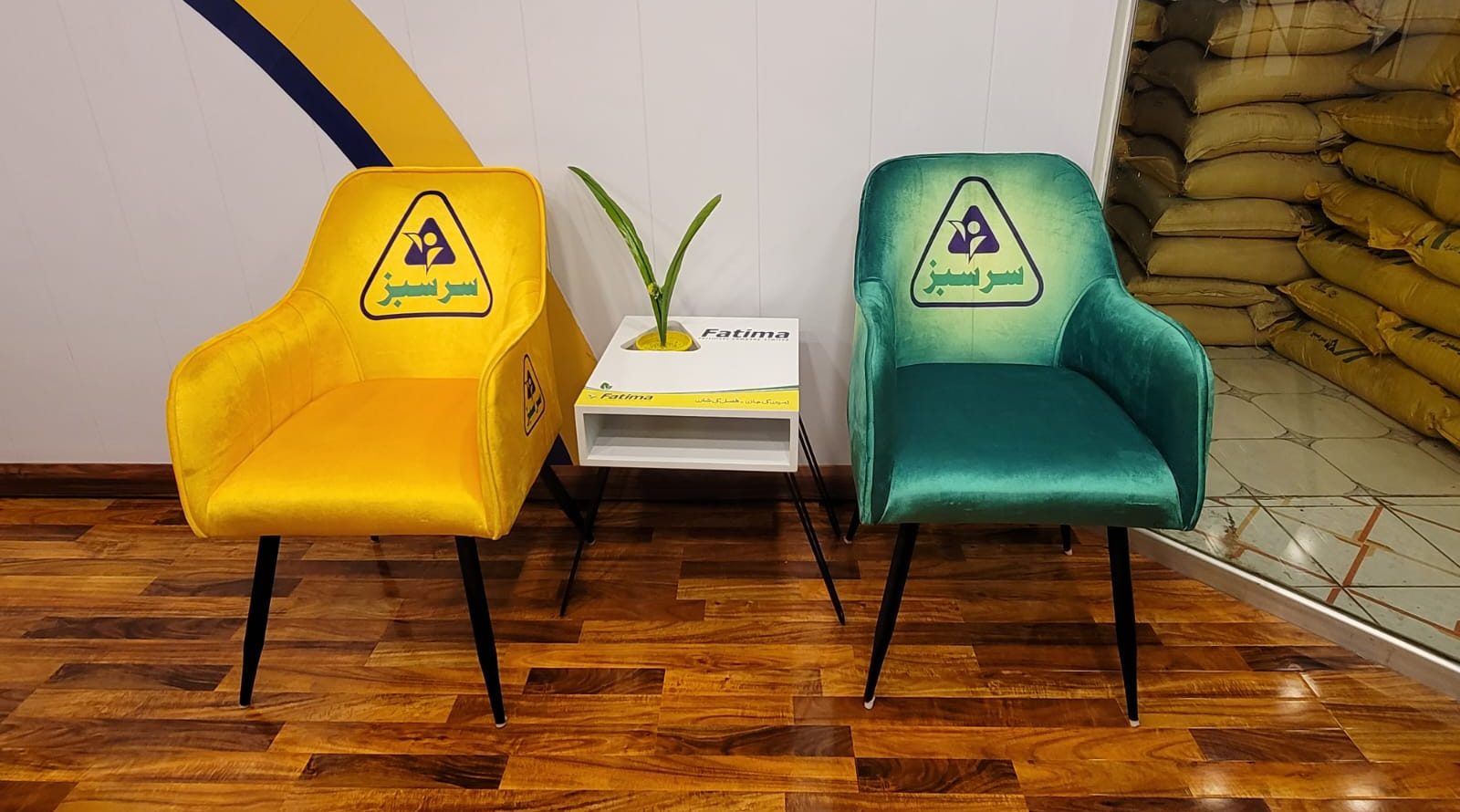
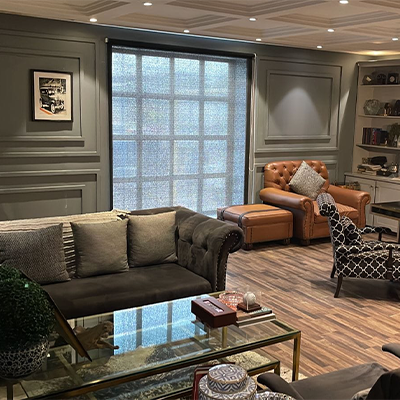
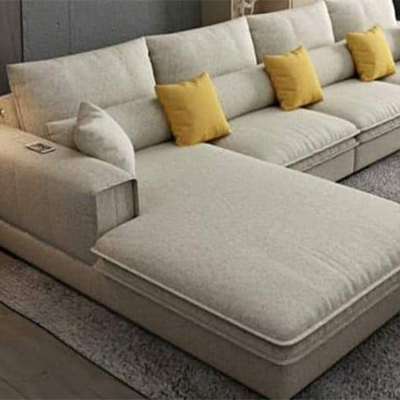
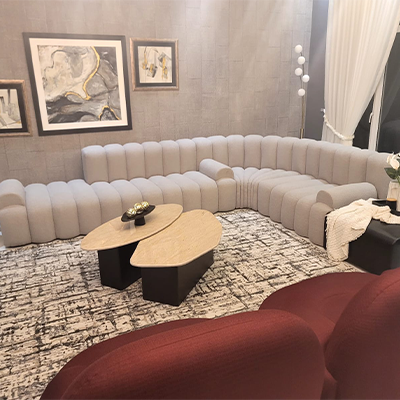
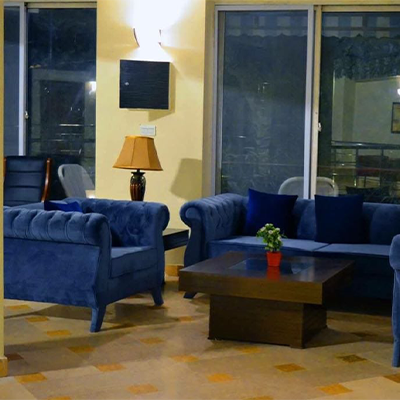
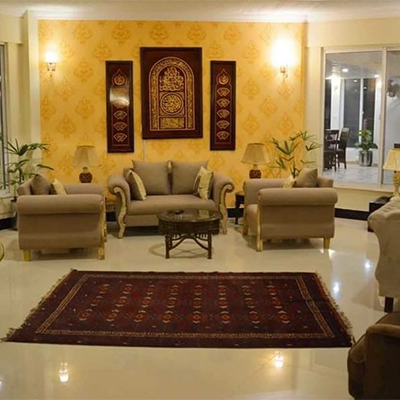
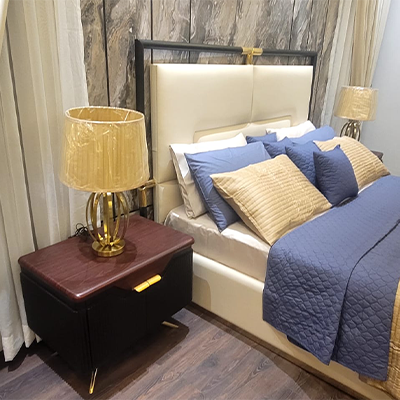
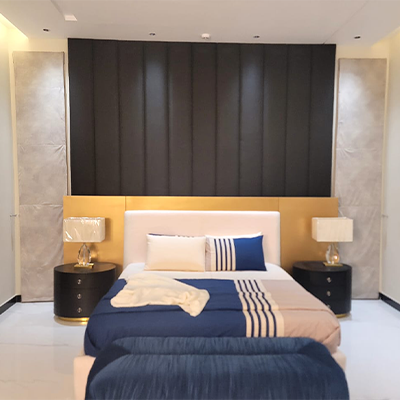
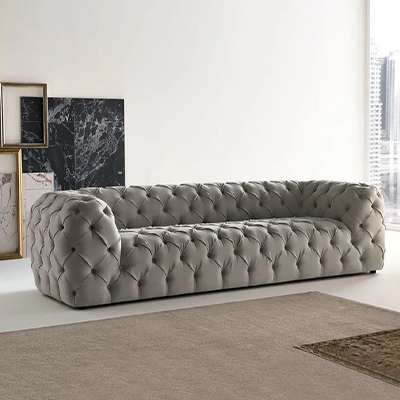
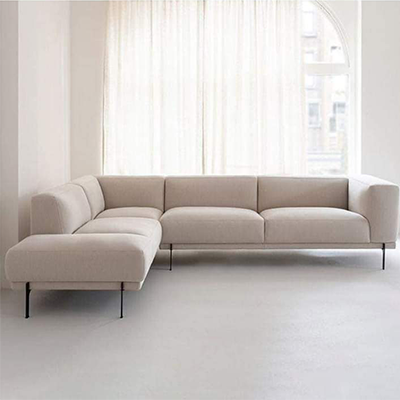
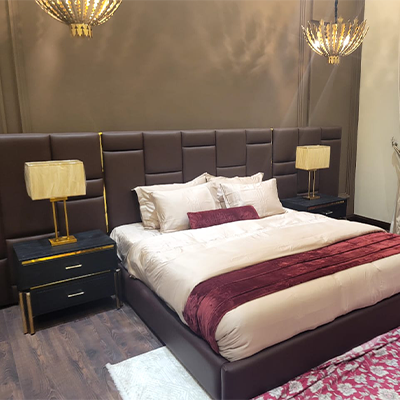
Monuments furniture section showcases a wide variety of designs and styles to suit every taste and space. It emphasizes high-quality craftsmanship, offering options ranging from traditional to contemporary. The platform guides users in choosing furniture for different settings, highlighting materials like wood, metal, and leather. Whether you’re looking for custom-made pieces or ready-to-use furniture, it provides insights to help you make the right choice for your home or office.
Our Products


Common Furniture Making Techniques
There are several techniques involved in furniture making, each contributing to the final look and functionality of the product.
Woodworking
Woodworking is one of the oldest and most fundamental aspects of furniture making. It involves cutting, shaping, and assembling wood pieces to create furniture structures. Key techniques in woodworking include:
- Joinery: The process of joining two pieces of wood without nails or screws. Common joinery techniques include dovetail, mortise and tenon, and butt joints. Joinery plays a significant role in ensuring the strength and stability of the furniture.
- Carving: For decorative purposes, artisans often carve intricate patterns into wood surfaces, adding a personalized, artisanal touch to the furniture.
- Turning: This technique uses a lathe to create rounded furniture parts like table legs or spindles.
Upholstery
Upholstery involves padding and covering furniture frames with fabric or leather. It’s most commonly associated with chairs, sofas, and headboards. The process typically includes:
- Webbing: The base layer of upholstery, which provides support and structure, often using materials like jute or rubber.
- Padding: Padding materials, such as foam or cotton, are added on top of the webbing to create comfort.
- Fabric or Leather Covering: Finally, the frame is covered with fabric, leather, or synthetic materials to create the finished product.
Upholstery is an essential part of modern furniture works, contributing significantly to the comfort and style of seating furniture.
Wood Finishing
After woodworking, the next step is finishing. This process involves enhancing the appearance of the wood and protecting it from wear and tear. Finishes include stains, paints, varnishes, and oils, which add color, shine, and protection to the furniture.
- Staining: Stains are used to change the color of the wood while preserving its natural grain.
- Varnishing: Varnish adds a protective layer, offering a glossy or matte finish while protecting the wood from moisture and scratches.
- Oiling: Oils penetrate the wood, enriching its natural color and providing protection without a high-gloss finish.
3. Materials Used in Furniture Works
The choice of materials significantly impacts the durability, look, and feel of furniture. While traditional furniture works focused primarily on natural materials like wood, modern pieces often incorporate a wide range of materials.
Wood
Wood remains the most popular material for furniture due to its durability, versatility, and beauty. Common types of wood used in furniture works include:
- Hardwoods: These include oak, mahogany, walnut, and maple. Hardwoods are highly durable and often used for high-end furniture.
- Softwoods: Pine and cedar are examples of softwoods, which are more affordable and easier to work with but less durable than hardwoods.
Metal
Metal is often used for furniture frames, such as chairs, tables, and bed frames. It’s known for its strength and modern look. Popular metals in furniture making include stainless steel, aluminum, and wrought iron.
Glass
Glass is typically used in conjunction with other materials, like metal or wood, for table tops, cabinets, or shelving units. Glass adds a sleek, contemporary look to furniture while offering durability and easy maintenance.
Leather and Fabrics
For upholstered furniture, high-quality leather and fabrics like velvet, linen, and cotton are commonly used. These materials offer comfort and style, and their durability varies depending on the quality.
Composite Materials
In some modern furniture works, composite materials like plywood, MDF (medium-density fiberboard), and particleboard are used. These materials are less expensive than solid wood and are often used in mass-produced furniture.
4. Custom vs. Mass-Produced Furniture
When shopping for furniture, you’ll encounter both custom and mass-produced options. Understanding the differences between the two can help you make an informed decision.
Custom Furniture
Custom furniture works involve creating pieces tailored to the specific needs and tastes of the customer. These pieces are typically handcrafted by skilled artisans and can be made to fit unique dimensions, styles, and materials. Custom furniture is usually more expensive, but it offers unparalleled quality, craftsmanship, and personalization.
Mass-Produced Furniture
Mass-produced furniture is made in factories using automated processes. These pieces are generally less expensive and more widely available, but they lack the level of craftsmanship found in custom furniture. However, mass-produced furniture can still be durable and aesthetically pleasing, especially if made with quality materials.
5. Choosing the Right Furniture for Your Home
Selecting furniture for your home can be a daunting task, but considering a few key factors can simplify the process.
- Room Size: Ensure the furniture fits the dimensions of your room. Measure your space carefully before making any purchases.
- Style: Consider the design style of your home, whether it’s modern, traditional, rustic, or contemporary. Your furniture should complement the overall aesthetic.
- Functionality: Think about the primary function of the furniture. Do you need extra storage, seating for guests, or a space-saving solution? Choose pieces that meet your practical needs.
- Material: Consider the durability and maintenance of the materials used in the furniture. If you have children or pets, you might want more durable, easy-to-clean options.
- Budget: Decide on a budget before shopping. Custom furniture may be more expensive, but it can be a worthwhile investment if you’re looking for long-lasting, high-quality pieces.